
Automated TikTok clipping makes short-form video creation faster, easier, and more engaging for creators and brands alike.
It happens quietly. You record something long, a podcast, a chat, maybe a reaction video, and think you’ll trim it “later.” Then later turns into endless scrubbing, cutting, adjusting, trimming again. Before you know it, hours vanish over a 20-second clip.
That’s why short-form content feels tricky. It demands speed. It needs timing. And it rewards whoever shows up first, not just whoever has the best idea.
Now creators are realizing something: they don’t need to do all that trimming themselves. Instead, they can pass the scissors to something faster. Something that listens, detects reactions, grabs the punchline, and shapes it into a scroll-stopping moment. That’s the promise of Automated TikTok clipping—a tool that edits like a helper who never gets tired, never slows down, and always keeps pace with the feed.
Why Short-Form Is the Real Battleground
Attention doesn’t walk anymore. It sprints, hops and changes direction mid-scroll without warning. One second someone is laughing at a meme, and the very next, they’re watching a business coach explain how to build an audience. That shift happens in a blink. And because of that, the fight for visibility doesn’t take place in long videos first. It starts with the clips that show up instantly on someone’s screen.
Short videos have become the front door to everything. They greet strangers before the full content ever has a chance. They act like tiny introductions—quick, curious, and impossible to ignore. A single 10-second highlight can bring more attention than a 45-minute interview. And that’s not because the long video is less valuable. It’s simply because the short clip travels faster.
The Clock Is Brutal
People don’t wait for content to get interesting. They want it to be interesting now. If a video doesn’t make a point within a few seconds, the viewer leaves without a second thought. And they won’t just leave the clip—they’ll leave the entire creator behind. In short-form, you earn attention quickly, or you don’t earn it at all.
That’s why brands, creators, educators, and even small businesses are suddenly thinking in clips. They’re not thinking, “What is the full story first?” They’re thinking, “What part of this will stop someone from scrolling?” The highlight becomes the main character.
Small Clips, Big Reach
Short videos don’t just deliver messages. They travel. They move across apps like tiny ambassadors. One clip can jump from TikTok to Reels, to Shorts, and then land on someone’s For You page who never even knew the creator existed. That’s power.
But here’s the catch: producing high-quality clips consistently is exhausting. Cutting every second manually doesn’t match the speed of the internet anymore. While someone is editing their clips by hand, another creator is posting five of them automatically and showing up in more feeds. And that’s exactly where Automated TikTok clipping steps in—not as a clever trick, but as a necessary shift.
The Game Isn’t About Who Talks More
It’s about who gets noticed first. Short-form content acts like a handshake, a teaser, a sample platter. It invites viewers to explore more if they like the taste. This isn’t about shrinking creativity. It’s about packaging it in a way that matches how people consume information today.
Viewers aren’t avoiding long videos. They just want a reason to invest time. And short clips create that reason. They build curiosity before commitment.
Creators Can Finally Focus on the Story
Since clipping is becoming automated, creators can move differently. They can focus on ideas, not timestamps. In meaning, not manual cutting. It’s the difference between a chef cooking and a chef washing lettuce all day.
This shift explains why companies that specialize in streamlining content—like Clipping Agency—are getting attention. Not because they remove the creative work, but because they remove the parts that slow creators down.
And in a digital world racing forward, speed isn’t a luxury anymore. It’s the battlefield. And the smallest videos are the ones carrying the flag.
Manual Editing vs Automation — What’s Really Changing?
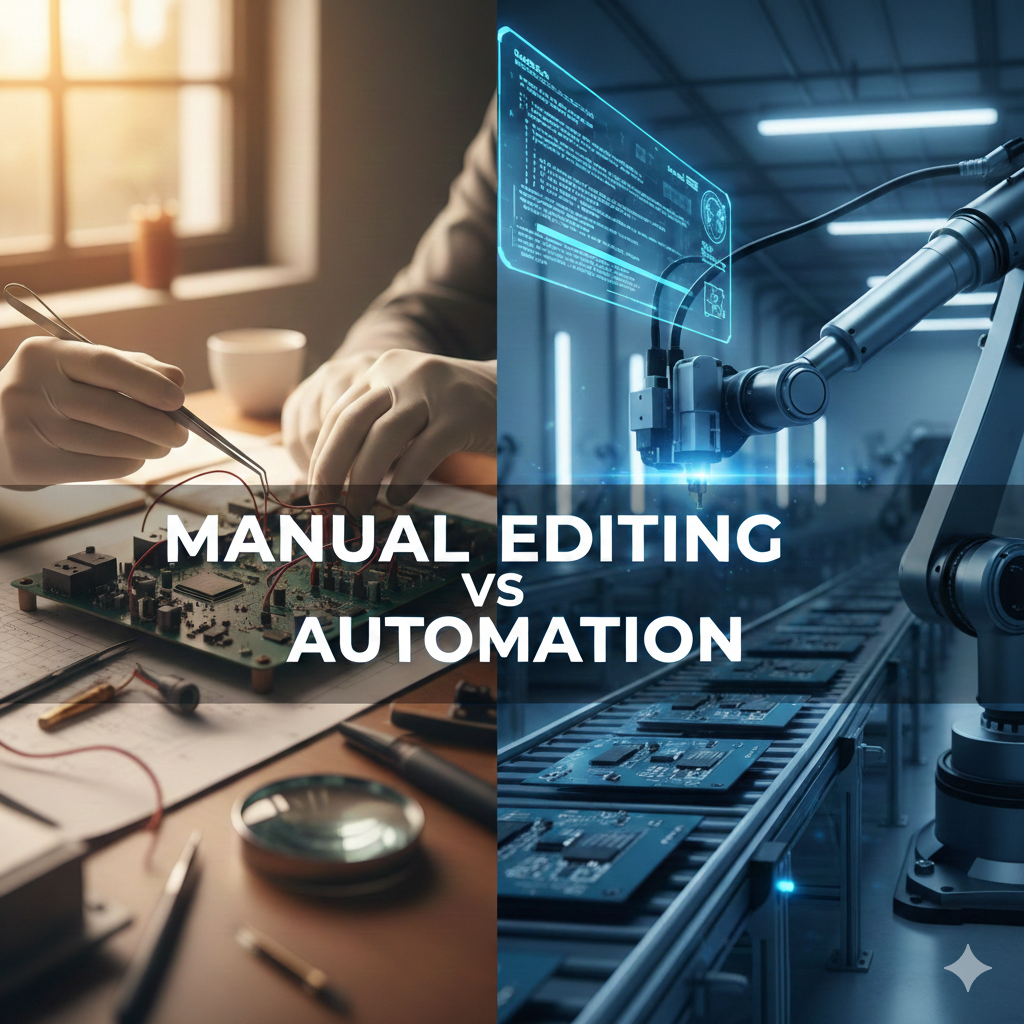
Editing used to feel like craftsmanship. You sat in front of a screen, dragged clips along a timeline, cut out the awkward pauses, and tried to squeeze a clear message into a few seconds. It was slow, but it felt necessary. You had to “feel” the moment. You had to choose what mattered. Every frame depended on your eyes, your patience, and your guesswork.
But today, the pace of content moved faster than the old routine ever could. So the question isn’t “Should creators edit?” anymore. It’s “Should they still do it frame by frame?”
The Old Way: One Clip at a Time
Manual editing is like digging for gold with a spoon. You scrub through long conversations, searching for that one sentence worth sharing. You replay the same moment five times, just to find the perfect cut. And then you still need to add captions, adjust timing, format for TikTok, resize for Reels, and keep the energy tight enough to hold a stranger’s attention.
It’s thoughtful work. But it eats time. You’re not just trimming silence. You’re wrestling with the clock. And while you’re stuck polishing a single clip, the online world keeps moving. Other creators upload more. Brands post faster. Audiences discover someone else who showed up first.
Manual editing doesn’t lose because it’s bad. It loses because it’s slow.
Automation Enters Like an Extra Pair of Hands
Now imagine editing with an assistant who listens to the entire recording instantly. One that detects the moment someone laughs, reacts, explains something clearly, or speaks with passion. Instead of searching for gold manually, this assistant brings the gold to you—already shiny, already cut, already ready to post.
That’s what automation does. It doesn’t replace creativity. It removes the digging.
With Automated TikTok clipping, AI sifts through long videos, cuts filler words, chooses the most engaging bits, and formats everything for short-form platforms automatically. It speeds up the messy parts so creators can focus on the message, the style, and the storytelling—the parts that machines can’t feel.
What Creators Actually Gain
The real shift isn’t about machines doing work. It’s about creators finally having room to think. Automation gives back hours. It turns editing from a burden into a tool. Now the creative mind can shape tone, add personality, and build ideas without losing half the day to trimming footage.
It’s like switching from washing clothes by hand to using a washing machine. You still pick the outfit and decide what looks good, you just don’t scrub shirts on a rock anymore.
The New Balance
We’re entering a space where humans make meaning, and tools handle the repetition. Manual editing won’t disappear. It will simply sit where it belongs—reserved for special projects, artistic pieces, and deeper storytelling.
For everything fast, everything scalable, and everything meant to travel quickly across social feeds, automation takes the wheel—not to replace your voice, but to help it arrive before the scroll moves on.
How Automated TikTok Clipping Works

It sounds complicated at first. A tool that watches a video, understands what matters, finds the highlight, and then shapes it into a clip ready for TikTok? It feels almost like magic. But it isn’t magic. It’s pattern-spotting. It’s machines doing the repetitive parts humans don’t need to waste their brainpower on.
Think of it less like a robot editor and more like a smart scout. It goes through hours of footage, spots something interesting, and brings it back to you.
It Starts by “Listening”
Before anything is cut, the AI pays attention to what’s being said. It picks up words, topics, jokes, and meaningful statements. Instead of hearing sound like a waveform, it hears ideas. It looks for moments with clarity, surprise, emotion, or strong delivery. A good sentence or a bold claim? Those become leads.
Silence gets pushed aside. Rambling gets trimmed. The scout only brings back parts with real value.
Then It “Watches” Expressions and Reactions
People don’t just say interesting things; they show them. Loud laughter, raised eyebrows, a speaker leaning forward with animated energy, and visible audience reactions bring the moment to life.
AI pays attention to those cues. It tracks the face, checks the pace, watches gestures, and spots excitement. Because short clips need energy. They need something visually alive, not just words on a timeline.
This is how Automated TikTok clipping chooses moments that actually feel worth watching.
After That, It Measures Rhythm
Even a great sentence can fall flat if it’s slow. AI scans the pace of speech, removing filler words, background silence, awkward pauses, and moments where nothing happens. It builds a clip with rhythm.
Jump cuts tighten the pace. Beat-by-beat timing keeps the viewer hooked. It’s like shaping a sentence into a punchline. The meaning stays. The drag disappears.
Short-form lives on momentum. AI protects that momentum.
Finally, It Dresses the Clip
Once the highlight is chosen and trimmed, the finishing touches start—just like adding shoes, a jacket, and a clean haircut before going outside.
- Auto captions appear automatically
- Text styling matches TikTok format
- The frame gets resized for vertical viewing
- Emojis or icons show up where emotion is obvious
- Sometimes even a dynamic background is added
The scout becomes a stylist. The clip stops looking raw. It starts looking ready.
So What’s Left for Humans?
Everything machines can’t feel. Humans shape tone. Humans choose brand colors, humor, attitude, and personality. AI doesn’t know what your identity should say. It just helps you say it faster.
Automation handles the digging, trimming, cleaning, formatting, and exporting. The creator still decides what story they want to tell.
And that’s how the work shifts: machines handle the steps, humans handle the meaning. Together, they turn long conversations into bite-sized stories that travel farther than they ever could on a timeline filled with manual cuts.
AI TikTok Clip Generators
Imagine having a helper who never gets tired, never complains about deadlines, and never asks, “Which part should we cut next?” That’s what modern AI TikTok Clip Generators feel like. They don’t create stories for you but use powerful editing to organize the chaos and deliver your best moments without the mess of manual work.
They work in the background, not as replacements, but as silent editors who prepare the first draft. And the best part? They already understand the rhythm TikTok loves.
They Don’t Guess — They Recognize
These tools don’t choose clips randomly. They look for value. They detect the loud laugh, the bold statement, the heated debate, the witty reply, or even the sudden reaction from the audience. Instead of forcing you to hunt through hours of content, they mark the spots where something important happens.
They recognize tone, keywords, and emotional cues. Not perfectly, but well enough to leave humans with the fun part: shaping personality.
Then They Cut Like They’ve Seen Millions of Videos Before
Once a highlight is spotted, the trimming begins. But automation cuts differently than humans. It trims filler words faster, removes dead air without hesitation and tightens the pace instantly. While a manual editor debates whether a pause is too long, AI cuts it down in one second.
And that difference keeps short-form alive. Slow clips die. Fast clips travel.
They Dress the Clip with Style
Highlights alone aren’t enough. They need subtitles, colors, and personality. That’s where automation becomes surprisingly stylish. It automatically adds captions, perfectly syncs them with speech, and uses bold fonts, clean layouts, and designs optimized for vertical viewing.
Some tools even suggest emojis, stickers, and reactions that match the tone. It’s small, but those tiny elements make a clip feel ready for TikTok instead of looking like a trimmed YouTube segment.
This is the moment when Automated TikTok clipping stops being a simple edit and starts becoming something worth watching.
They Work so Creators Can Think Bigger
The real advantage isn’t speed. It’s a breathing room. When the repetitive tasks disappear, creators and brands finally get to focus on the message. They can ask better questions:
- What story are we telling?
- What emotion do we want to create?
- Who do we want to reach?
Instead of thinking about timing and trimming, they think about impact.
AI doesn’t steal creativity. It protects it. It clears the schedule so the creative mind can actually create.
Why This Matters Now
Short-form content has become the doorway into everything else. A clip can turn strangers into fans and fans into followers. And since attention moves faster than ever, tools like AI TikTok Clip Generators aren’t a luxury anymore—they’re the extra hands modern creators need.
Not to take over. Just to keep pace. Just to let ideas run instead of crawl. And just to help creators share more, without drowning in the edit timeline.
Automatic Short-Form Video Editing
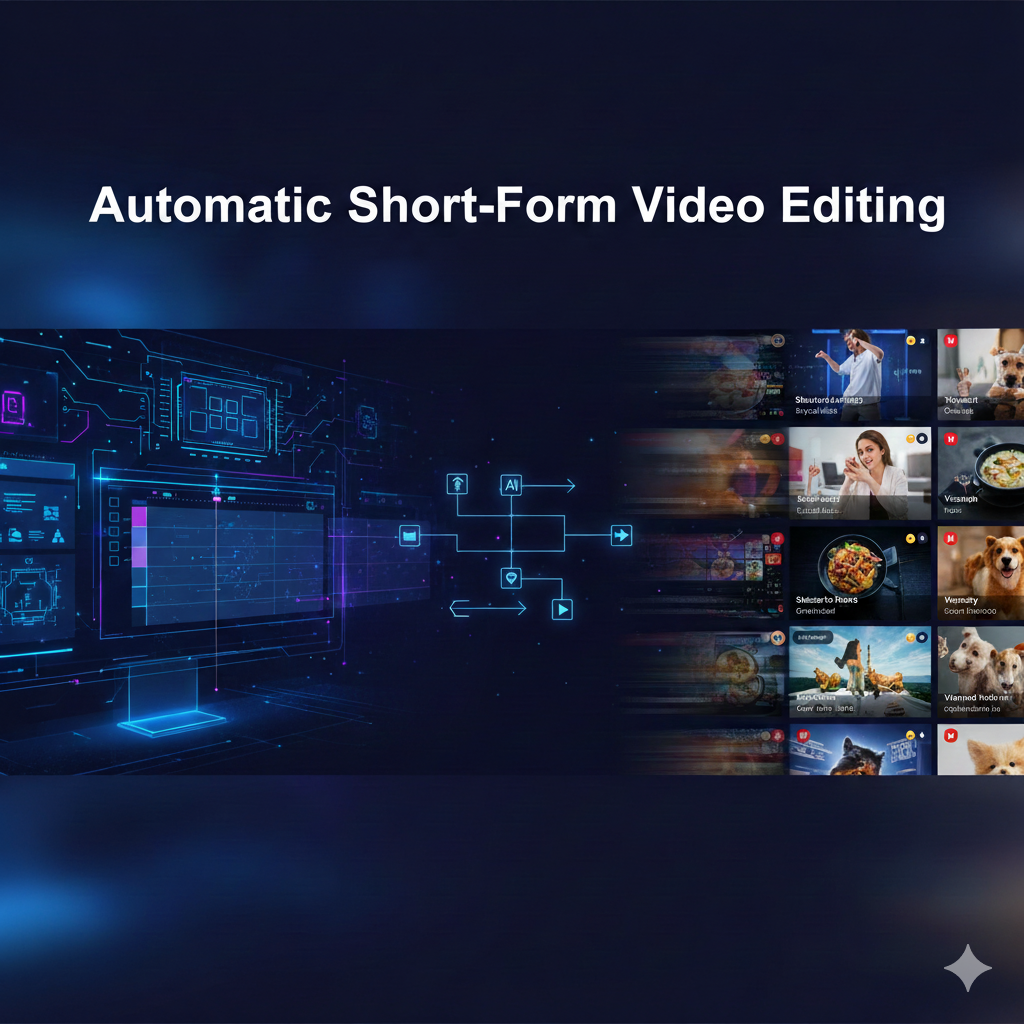
Short-form videos don’t wait. They show up fast, they speak quickly, and they disappear just as fast. That’s why Automatic Short-Form Video Editing feels less like a trend and more like a survival tool. It steps in the moment long-form content needs a bite-sized version of itself. It takes what matters and makes it instantly shareable.
Think of it as cutting a long conversation into an unforgettable moment. A moment that’s easy to watch, easy to share, and impossible to scroll past.
It Chooses the Heart of the Message
Not every second deserves a spotlight. Some parts drag. Some parts repeat. And some lines simply land better than others. Automation finds the lines worth saving. It hunts down the punchlines, the reactions, the “wait, what?” moments. It trims away the rest like overgrown branches, leaving only the parts that spark curiosity.
The viewer doesn’t get the whole story. They get a taste. A taste big enough to make them lean in.
It Builds for Scrolling, Not Sitting
Short-form isn’t about patience. It’s about momentum. People aren’t sitting down to analyze tone or structure. They’re swiping in rapid-fire motion, searching for something that hits instantly. So editing can’t linger. It can’t stretch or stall.
With Automatic Short-Form Video Editing, cuts are faster, captions appear instantly, and pacing doesn’t slow down. The moment something feels dull, it’s removed. The clip keeps moving, just like the viewer’s attention.
That’s why Automated TikTok clipping matters. It keeps the pace tight enough to survive the scroll.
It Shapes Emotion with Small Details
Captions do more than translate speech. They create rhythm, highlight key words and drag the viewer’s eyes exactly where the story lives. A bold word, a bright color, a perfectly timed emoji—these tiny decisions shape tone.
Automation handles them while keeping the creator’s style in mind. Clean layouts, perfect timing, smooth transitions, and vertical formats come built-in. A raw clip turns into something polished without anyone dragging sliders or lining up subtitles by hand.
Suddenly, a simple idea looks like content.
It Gives Creators Space to Be Creative
When editing is heavy, creativity becomes secondary. When editing is automatic, creativity becomes the main job. That’s the real shift happening now. Creators get to create again. They can brainstorm new formats, experiment with delivery, collaborate more, and record without worrying about how long it will take to cut it all down.
Automation clears the path. It takes away the mechanical tasks and leaves the magic to the human side.
Short-Form Is No Longer the Afterthought
It’s the hook, the handshake, and the first impression. And tools built for Automatic Short-Form Video Editing aren’t just conveniences—they’re the engines creators use to keep up. Because short clips aren’t small. They’re loud, fast and are everywhere.
And as long as attention keeps sprinting, speed will win every time.
TikTok Clipping Automation Tools

Every creator has their tools. Some use cameras that cost as much as a car. Others rely on basic mics and natural lighting. But when it comes to editing short clips, gear doesn’t matter. What matters is speed. That’s where TikTok Clipping Automation Tools walk into the picture—quietly, almost unnoticed, until they change everything.
They don’t shout about features, they simply work in the background, turning long videos into attention-ready clips without the slow grind behind a timeline.
They Do the Heavy Lifting First
Before any clip appears on-screen, these tools go through hours of footage, pulling out the highlights like magnets. They listen for clarity, watch for emotion, and catch the parts that spark reaction. No scrubbing. No frame-by-frame hunting.
They do the part that usually drains the creator. The part nobody proudly talks about doing. The searching.
Then They Polish Without Being Asked
Once the best moments are found, the tools start polishing them—faster than any human can. Captions drop into place. Jump cuts tighten the rhythm. Silence disappears. The video becomes vertical. A boring frame turns dynamic. All without lifting a cursor.
It feels like having an invisible editor who already knows what TikTok wants.
This is where Automated TikTok clipping goes from helpful to necessary. The messy parts vanish before the creator even enters the room.
They Make Consistency Effortless
One problem every creator faces isn’t editing—it’s repeating the same style every day. Matching fonts, colors and pacing. Even remembering how the last clip looked. Consistency builds brand identity, but making something match the previous post is more work than anyone admits.
TikTok Clipping Automation Tools solve that. They remember styles, repeat layouts perfectly and apply branding without second guesses. The creator doesn’t fix details; they set a style once, and everything follows.
Consistency stops being work. It becomes automatic.
They Let Small Teams Work Like Big Ones
Not every brand has a full editing department. Not every creator has a budget for professional cutters. But automation closes that gap. It gives solo creators the power of a studio. It gives small businesses the same pace as big media.
A two-person team can publish like a company with twenty. A beginner can look professional without knowing every editing trick. A podcaster can upload ten clips a day instead of one a week.
The tools don’t make creators bigger. They let creators behave bigger.
Tools Don’t Replace Talent
Automation doesn’t steal creativity. It removes the chores that bury it. It frees time so ideas can breathe instead of being lost in the editing workload. These tools do what machines do best—repeat, polish, and speed up—so humans can do what only humans can do: connect.
In the world of short attention spans, the winners will be the ones who create more, not the ones who edit more. And with tools that cut time instead of creativity, that suddenly becomes possible.
The Future of Short-Form Creation
Short-form content is moving fast. Faster than trends, faster than attention spans, faster than anyone could have imagined a few years ago. And as it moves, the way creators work is changing too. Long gone are the days when editing meant hours in front of a timeline. The future belongs to speed, strategy, and smart tools.
Automated TikTok clipping isn’t just a convenience anymore—it’s becoming the foundation of how content gets made. It shifts the focus from mechanics to meaning, from scrubbing footage to shaping stories.
Creativity Comes First, Routine Comes Second
Tomorrow’s creators won’t waste energy cutting clips manually. AI and automation will handle repetitive tasks. They’ll trim silence, highlight key moments, add captions, and format for every platform—all without slowing the creator down.
This doesn’t replace humans; it liberates them. With the mechanical work gone, the creative mind finally takes center stage. Experimentation becomes easier. Ideas flow faster. New formats can be tested without the fear of extra hours lost to editing.
Bigger Ideas, Smaller Timeframes
The ability to generate more content in less time changes the game completely. A single recording can turn into multiple clips for different audiences, each tailored with pace, captioning, and style. That means creators can reach more people, more often, without burning out.
Automation tools make this possible. They multiply output without reducing quality. And because speed is essential in the digital attention race, those who embrace it first get a head start.
Collaboration Will Expand
Future content creation won’t be solo. Teams will collaborate with AI as an invisible member. AI won’t suggest ideas, but it will make it easier for humans to implement them. Designers, marketers, and creators can focus on strategy, storytelling, and engagement—while the AI handles the details that used to slow everyone down.
Small creators will feel big. Small teams will produce like studios. The barriers to entry will drop, and competition will rise. But so will creativity, because creators can focus on what matters most: connecting with people.
A World Where Stories Move Faster
The future isn’t just about editing faster. It’s about understanding the pace of attention and meeting it head-on. Short-form content will keep evolving. New formats, new trends, and new tools will continue to emerge. Creators who master Automated TikTok clipping and embrace automation will stay ahead, not just by working harder, but by working smarter.
Speed will be standard. Creativity will be king. And every second of attention will count. Those who understand that balance will not just survive—they’ll thrive.
In the end, the story is simple: machines handle the repetitive. Humans handle the meaningful. Together, they build short-form content that travels farther, lands faster, and connects deeper than ever before. And that’s the future of creation—fast, smart, and alive.
Conclusion
Creating short-form content used to feel endless. Hours disappeared in scrubbing, trimming, and rewatching. Today, it doesn’t have to. Automated TikTok clipping changes the game. It doesn’t replace creativity—it protects it. It handles the repetitive, the tedious, and the slow, so creators can focus on what matters: stories, energy, and connection.
The magic happens when humans and machines work together. AI spots the highlights. It adds captions, cuts pauses, and formats the clips for TikTok’s fast-moving feed. Humans add personality, humor, and vision. Together, they create content that travels farther, lands faster, and sticks longer in the minds of viewers.
The future of short-form creation isn’t about speed alone. It’s about balance. Speed plus creativity. Technology plus heart. Tools like AI TikTok clip generators, automatic editing systems, and clipping automation platforms give creators the space to experiment, innovate, and grow.
In the end, the clips may be short, but the impact? That can last. And that’s the real win of automation in content creation.