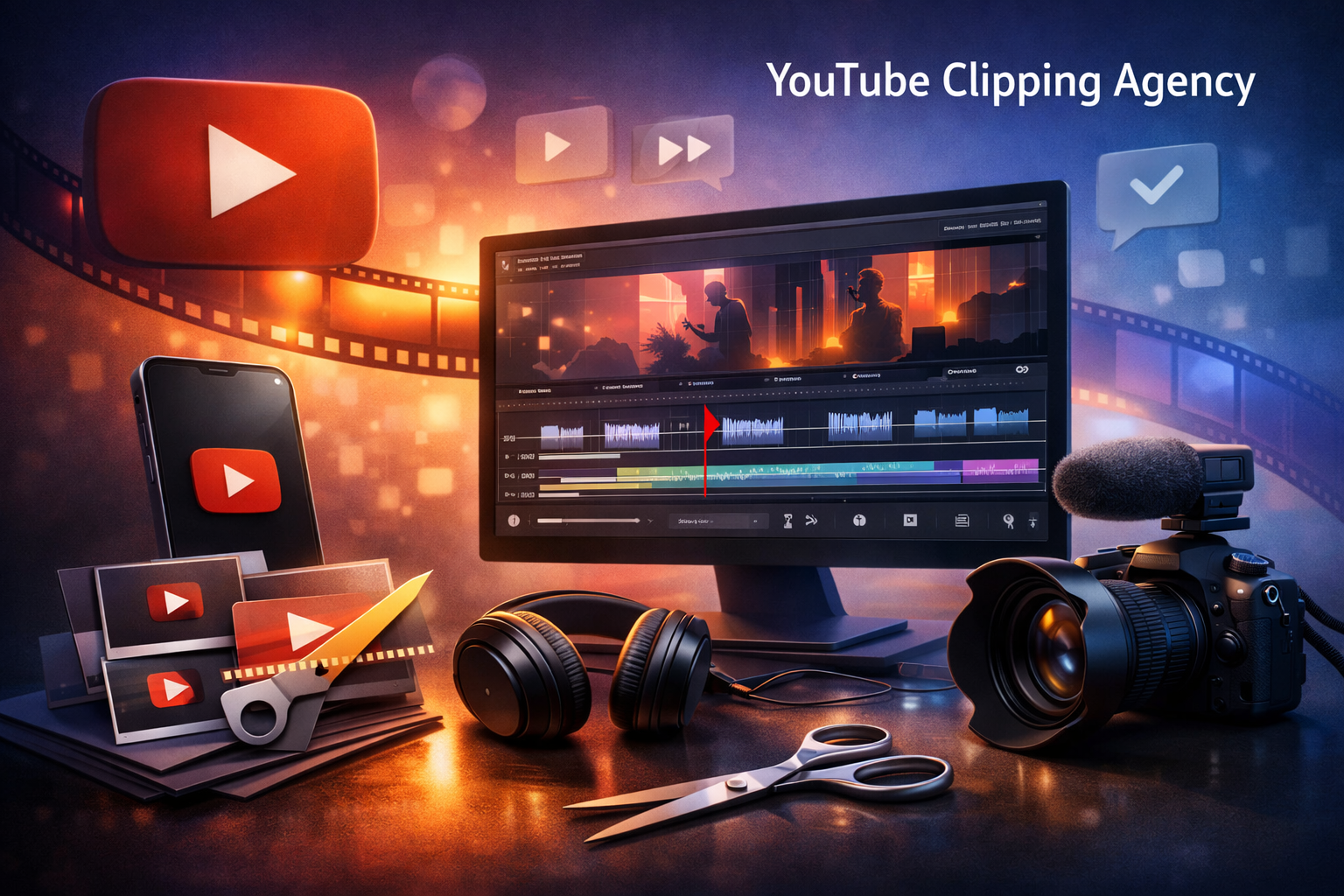

A YouTube clipping agency helps creators turn long-form videos into strategic clips, highlights, and shorts that drive consistent growth.
It rarely starts with a big strategy. Most creators just post a long video, hope for traction, and wait. But lately, the real momentum comes from something smaller, faster, and far more intentional. That’s where a YouTube clipping agency quietly changes the game. Instead of letting great moments get buried inside hour-long content, clips pull them forward and give them a second life.
And honestly, it makes sense. People scroll quickly. Attention moves even faster. So, smart creators reshape their videos into highlights, shorts, and bite-sized stories that travel further. In many ways, it’s not about creating more content anymore — it’s about using what you already have, just a little more wisely.
What Is a YouTube Clipping Agency?
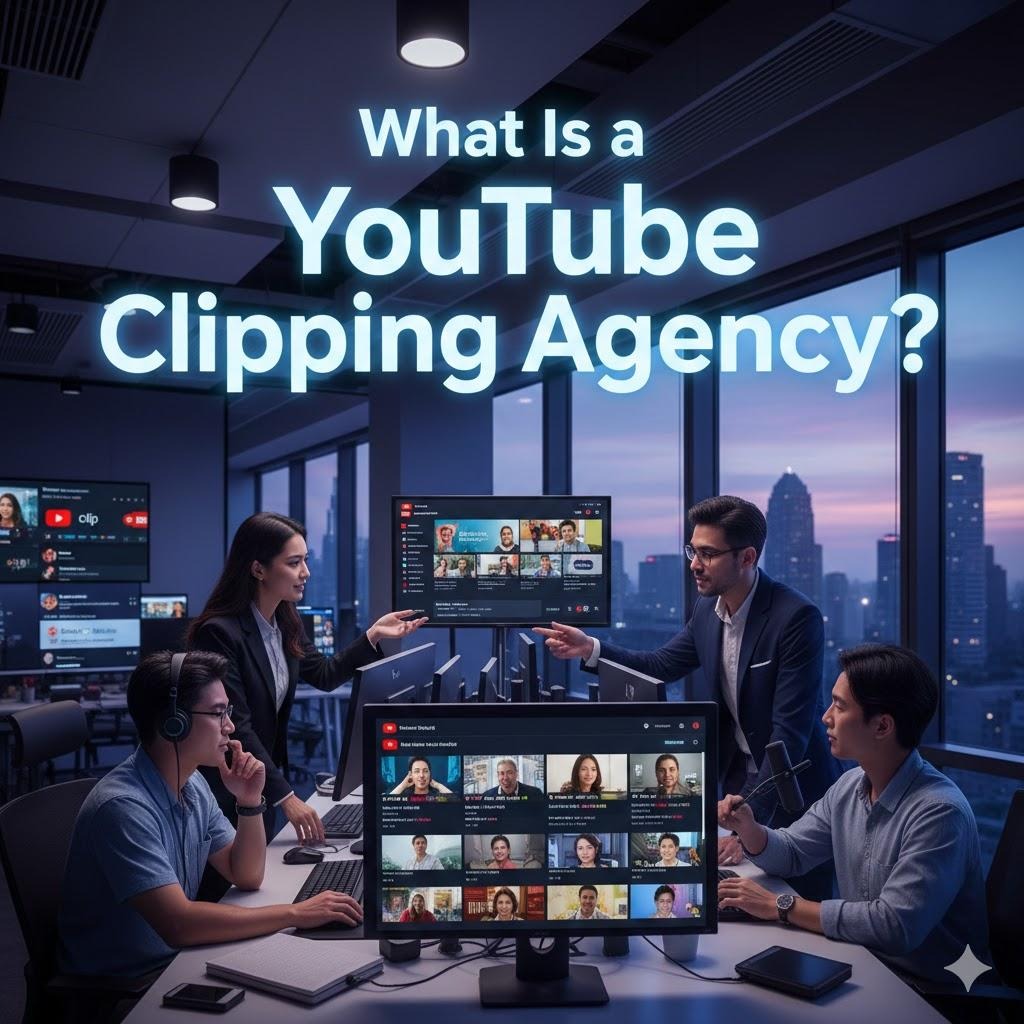
It’s easy to think editing is just trimming videos and adding music. But a YouTube clipping agency does something a little deeper than that. Instead of looking at a video as one long piece, they break it into moments — the parts that make people pause, laugh, or think twice before scrolling away. In many ways, it’s less about cutting footage and more about finding the story hidden inside it.
More Than Just Editing
Traditional editing focuses on polishing a full video. A clipping agency, however, looks for impact. First, they watch the content with fresh eyes. Then they pull out strong reactions, quick insights, or emotional highlights. After that, those moments turn into Shorts, highlight reels, or bite-sized clips that feel complete on their own.
Because of that, the process feels strategic rather than technical. Editors think about pacing, hooks, and audience behavior. They ask simple questions: Where does attention spike? Where does curiosity build? And slowly, a long conversation transforms into multiple pieces of content that travel further than the original upload ever could.
Why Creators Turn to Clipping
At first, many creators try to do everything themselves. They record, edit, upload, and promote. Yet over time, the workload grows heavier. That’s usually when a professional team steps in. A company like Clipping Agency, for example, doesn’t just edit clips — it builds a system around consistency. Instead of guessing what might work, creators get a steady flow of highlights designed for discovery.
Moreover, clipping helps content live longer. A single podcast episode can become dozens of Shorts. A webinar can turn into a series of mini lessons. And suddenly, one recording stretches across weeks of uploads. That kind of repurposing saves energy while still keeping the channel active.
The Difference Between Clips and Random Cuts
Now, here’s where many people get confused. Not every short video counts as a strong clip. Random cuts feel rushed. They lack context. A real clipping workflow keeps the narrative clear, even in under a minute. Editors add captions, tighten pacing, and shape the story so viewers understand the message instantly.
At the same time, the tone stays natural. Clips shouldn’t feel forced or overly edited. Instead, they should feel like real moments — just sharper and easier to watch.
A Strategy Hidden in Small Moments
Ultimately, a clipping agency bridges the gap between long-form depth and short-form reach. Long videos still matter. They build authority and trust. But clips open the door to new audiences who might never click on a full episode. So rather than replacing original content, clipping supports it. And when done well, those small highlights become the path that leads viewers back to the bigger story.
YouTube Video Editing Services
Before a clip grabs attention, something quieter happens behind the scenes. Raw footage gets shaped. Pauses tighten. Stories find rhythm. That’s where strong YouTube video editing services come in. They don’t just clean up mistakes; they give structure to ideas so viewers can follow along without effort.
Long-Form Editing vs. Short-Form Thinking
At first glance, editing sounds simple. Cut the silence. Add music. Export. But real editing feels more like guiding a conversation. Long-form videos need flow. They need moments to breathe, yet they can’t drag. So editors adjust pacing, remove distractions, and highlight the parts that matter most.
Meanwhile, short-form thinking starts early. Even while editing a full video, a skilled YouTube clipping agency looks ahead. They notice strong quotes, emotional reactions, or powerful insights that could later become highlights or shorts. In other words, every edit serves two goals — making the main video better and preparing it for future clips.
Building a Visual Identity That Sticks
Editing is also about how a channel feels, not just how it looks. Colors, subtitles, transitions — they all shape the viewer’s experience. When visuals stay consistent, audiences recognize a creator instantly. And honestly, that familiarity builds trust over time.
For example, captions help people watch without sound. Subtle zooms keep energy alive. Clean cuts prevent viewers from losing focus. None of these choices scream for attention, yet together they create a smooth watching experience that feels natural.
The Balance Between Creativity and Clarity
Of course, more effects don’t always mean better videos. Sometimes simplicity wins. A clean cut can be stronger than a flashy transition. That balance is where professional editing stands out. Editors ask, Does this moment need more energy, or does it just need clarity? Then they shape the scene accordingly.
At the same time, editing keeps the creator’s voice intact. The goal isn’t to change the personality of the content. Instead, it removes friction so the message lands faster and feels easier to follow.
Editing as the Starting Point of Growth
In many ways, editing becomes the backbone of everything else — clipping, highlights, Shorts, and even thumbnails. Without a solid foundation, later steps feel scattered. But when the base edit is strong, every future piece of content flows more naturally.
So while viewers may only notice the final clip, the real magic begins earlier. It starts with thoughtful editing choices, small adjustments, and a clear sense of direction. And slowly, almost quietly, those decisions turn raw footage into something ready to travel further across YouTube.
YouTube Content Clipping — Finding the Moments That Matter
Not every second of a long video needs the spotlight. Some moments carry more energy. Others hold a simple insight that sticks. That’s where YouTube content clipping begins. It’s less about shortening videos and more about discovering the parts people remember long after they stop watching.
Spotting the Moments That Feel Alive
First comes the watching. Editors sit through full episodes, not just to cut time but to understand the flow. They look for reactions, strong opinions, quick tips, or even a quiet sentence that suddenly feels powerful. Often, the best clips aren’t loud. They’re just clear and honest.
A skilled YouTube clipping agency doesn’t guess randomly. Instead, they pay attention to pacing, tone shifts, and emotional peaks. When someone leans forward to make a point or pauses before a key idea, that’s usually a sign. Those small signals help editors decide which sections deserve a second life.
Turning One Video Into Many Stories
Once the right moments appear, the real transformation starts. A single podcast can become multiple Shorts. A long interview can turn into highlight snippets that each tell a mini story. And suddenly, one recording stretches into a full content calendar.
However, clipping isn’t just copying and pasting scenes. Each clip needs context. Editors tighten the beginning so viewers understand the topic instantly. Then they shape the ending so it feels complete, even if the original conversation continues elsewhere.
Keeping the Message Clear, Even in Short Form
Now, here’s where many creators struggle. Short videos move fast, and without careful editing, the message can feel rushed. That’s why captions, jump cuts, and subtle zooms play a big role. They guide attention without overwhelming the viewer.
At the same time, good clipping respects the original tone. The goal isn’t to force viral energy into every second. Instead, it highlights authenticity. A thoughtful clip often feels natural, almost effortless, even though a lot of care sits behind it.
How Clipping Transforms Content
Long-form videos build depth. They create space for detailed ideas and real conversations. But clips act like doorways. They reach people who might never commit to a full episode at first. And once curiosity grows, many viewers return to watch the complete video.
In that sense, clipping becomes a bridge between discovery and loyalty. It doesn’t replace original content; it expands its reach. And slowly, through consistent highlights and well-timed uploads, creators start to see how small moments can carry the biggest impact.
YouTube Highlight Videos

Not every part of a video carries the same weight. Some seconds just pass by. Others stick. That’s usually where YouTube highlight videos begin — not from a plan, but from noticing the parts that feel alive long after the recording ends.
Highlights aren’t about squeezing everything into a shorter cut. They’re more like gathering the moments that naturally stand out. A sharp comment. A quiet realization. Maybe even a small reaction that changes the mood. When those pieces come together, the story feels lighter, easier to follow.
When a Clip Becomes a Highlight
There’s a difference between cutting something short and shaping something meaningful. Random clips feel scattered. Highlights, on the other hand, carry a sense of direction. They move from one strong moment to another without losing the thread.
A good YouTube clipping agency usually starts by watching without rushing. They let the conversation unfold first. Then, slowly, they begin to see where attention rises. Instead of forcing energy, they work around what’s already there. That’s why the best highlights don’t feel over-edited. They feel natural, almost effortless.
The Flow That Keeps People Watching
Viewers don’t always notice the details, but they feel them. A small zoom here. A tighter pause there. Captions that guide the eye without shouting for attention. None of it looks dramatic on its own, yet together it shapes the pace.
And honestly, pacing matters more than flashy effects. Too fast, and the message gets lost. Too slow, and people drift away. So editors adjust the rhythm quietly, letting moments breathe just enough to hold interest.
A Simple Bridge Between Long and Short
Long videos still carry depth. They give space for real conversations. But highlights make that depth easier to discover. Someone scrolling might stop for a quick recap before deciding to watch the full episode later.
That’s why highlights don’t replace the original content. They support it. They guide new viewers toward something bigger without asking for too much time upfront. And over time, those small, carefully chosen moments become the pieces people remember most.
YouTube Shorts Creation — Growth in Under 60 Seconds
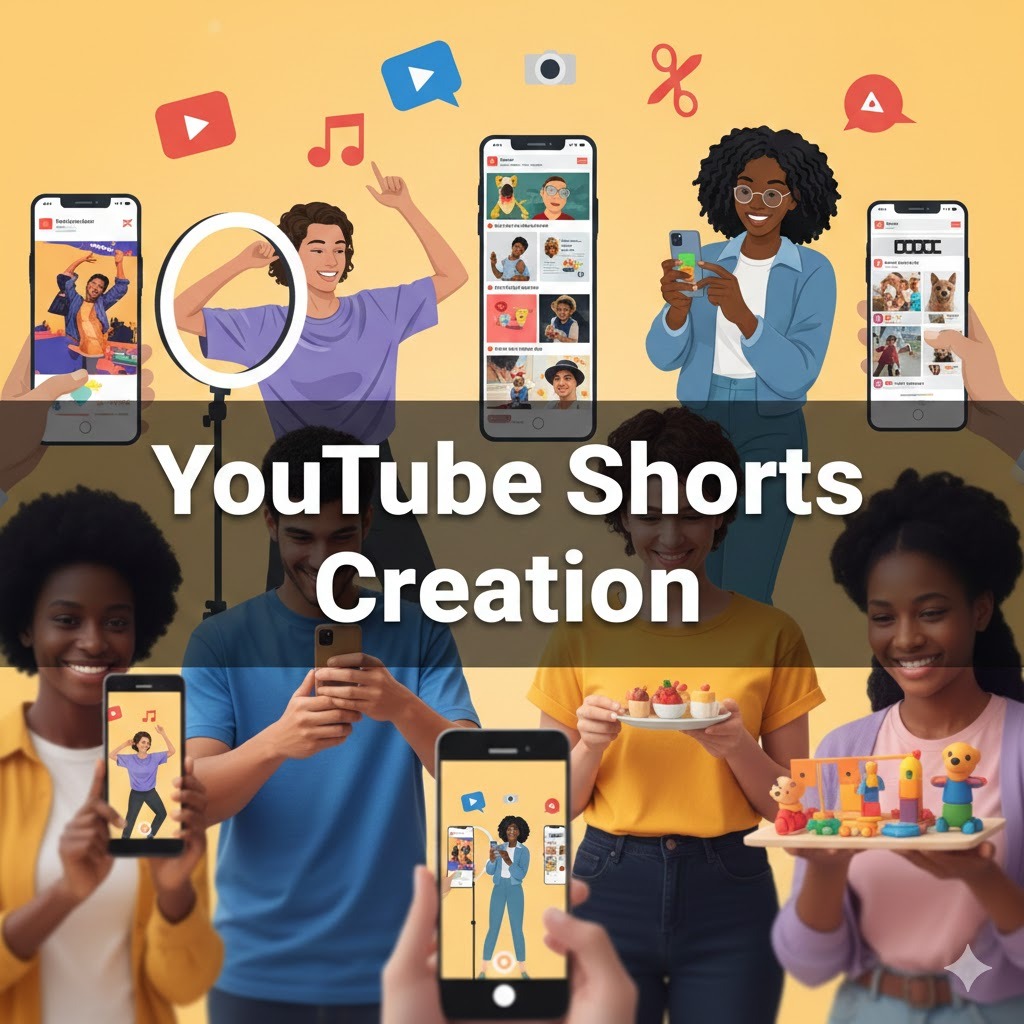
Short videos move fast. One swipe, and they’re gone. Yet somehow, those few seconds can bring more eyes to a channel than a long upload ever could. That’s the quiet power behind YouTube shorts creation. It isn’t just about making something shorter. It’s about shaping a moment that feels complete before the viewer even thinks about scrolling away.
Why Short Videos Travel Further
People don’t always plan to watch. Most of the time, they just explore. Shorts fit that habit naturally. They start quickly, deliver one clear idea, and leave just enough curiosity behind. Because of that, creators often see new audiences discovering their content through short-form first.
But speed alone isn’t enough. A strong Short needs intention. The first second matters more than anything. A bold line, a surprising reaction, or a quick question can stop the scroll. Then the rest of the clip builds around that spark.
A skilled YouTube clipping agency understands this rhythm well. Instead of forcing viral tricks, they look for real moments that already carry energy. Then they reshape those moments into vertical, fast-moving stories that feel effortless.
Editing That Feels Natural, Not Forced
Short-form editing sounds simple, but it asks for precision. Captions appear quickly. Cuts stay tight. Silence gets trimmed just enough to keep momentum alive. Still, the goal isn’t to overwhelm viewers with effects. Simplicity usually wins.
Sometimes, a subtle zoom adds focus. Other times, a clean cut is all a clip needs. Editors test pacing carefully, making sure each second pushes the story forward. And when everything aligns, the Short feels smooth — almost like it was meant to exist that way from the start.
Building Loops and Lasting Impressions
One interesting thing about Shorts is how often people rewatch them. A clever ending can lead right back to the beginning, creating a natural loop. That loop quietly increases watch time without asking viewers to do anything extra.
So instead of thinking about a strict beginning and end, editors shape the clip as one continuous flow. The message lands. The moment feels complete. Yet it invites another watch without feeling repetitive.
Small Videos, Bigger Momentum
Long-form content builds depth, but shorts open the door. They introduce new viewers to a creator’s style in seconds. And once interest grows, many people move toward longer videos for more context.
That’s why shorts aren’t separate from the bigger strategy. They support it. They create momentum in small, steady waves. Over time, those short moments add up, bringing fresh energy back to the main channel without demanding constant new recordings.
Common Mistakes Creators Make Without Realizing It
Most creators don’t set out to make mistakes. They just get busy. One video turns into ten, uploads keep moving, and suddenly the strategy feels a little blurry. Growth slows, not because the content is bad, but because small details get overlooked along the way.
Posting Long Videos Without Repurposing
It happens more often than people admit. A full podcast or interview goes live, and then… nothing else follows. No clips. No highlights. Just one upload waiting to carry all the weight. The problem isn’t the long video itself. It’s the missed chances hiding inside it.
A YouTube clipping agency usually sees those missed moments instantly. One strong episode can turn into weeks of content if the right pieces get pulled out. Without that step, creators often work harder than they need to.
Weak Hooks That Lose Attention Early
Sometimes the message is strong, but the beginning feels slow. Viewers scroll quickly, so the first few seconds matter more than ever. Long intros, quiet openings, or unclear topics can push people away before the value even appears.
That doesn’t mean every video needs loud energy. It just needs clarity. A simple, direct start often works better than a long setup.
Overediting or Underediting
There’s a strange balance here. Some creators add too many effects, hoping to keep viewers interested. Others leave videos almost untouched, thinking authenticity means doing less. Both approaches can miss the mark.
Too many edits feel distracting. Too few can make pacing drag. Finding the middle ground takes practice — knowing when to cut, when to pause, and when to let a moment breathe naturally.
Ignoring Subtitles and Mobile Viewing
More people watch on their phones than ever before. Many scroll without sound. Yet captions still get skipped surprisingly often. Without subtitles, even a strong message can fade into the background.
Small details like vertical framing, readable text, and clean spacing make a bigger difference than most creators expect. They don’t change the story, but they make it easier to follow anywhere.
Chasing Trends Without Direction
Trends can feel exciting. A popular format appears, and suddenly everyone wants to try it. But copying every new idea can pull a channel away from its original voice. Over time, the content starts to feel inconsistent.
Instead, steady growth usually comes from understanding what already works and building around it. Trends can help, but they shouldn’t replace a clear style.
Learning From the Gaps
None of these mistakes are permanent. In fact, they’re part of the process. Most creators learn by trying, adjusting, and trying again. The key is noticing what slows momentum and gently shifting direction.
And often, those small changes stronger hooks, smarter clipping, cleaner edits create the biggest difference. Not overnight, but gradually, as each video starts to feel more intentional than the last.
Conclusion
Growth on YouTube rarely comes from doing more. Most of the time, it comes from doing things a little smarter. Long videos still matter. They carry depth, personality, and trust. But when those same moments turn into highlights, shorts, and focused edits, the content begins to travel further than expected. That’s where a YouTube clipping agency quietly changes the pace. It helps creators see value in what already exists instead of constantly chasing something new.
And honestly, the process doesn’t need to feel complicated. A few strong clips can open doors to new viewers. Better editing can keep them watching longer. Over time, those small shifts build momentum that feels steady rather than forced.
In the end, success isn’t about chasing every trend. It’s about shaping your message so it reaches people naturally. When strategy and creativity move together, even the simplest moments can grow into something bigger than planned.