
What Is Clipping
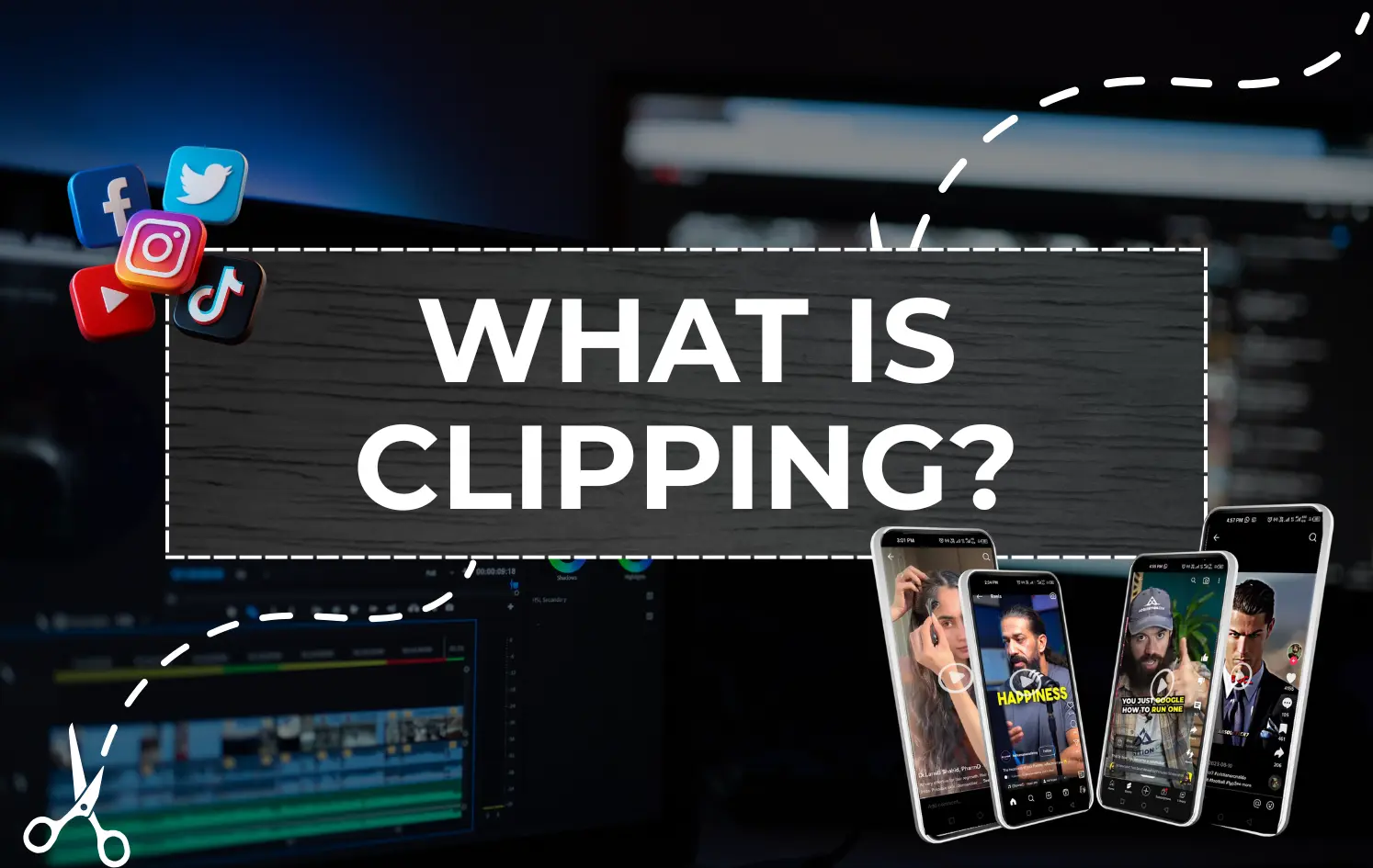
Clipping means taking a small segment from a larger piece of content and using it as its own media. The clip keeps the most valuable or interesting moment while removing the rest.
In digital media today, clipping usually refers to video clipping. This is the process of extracting short segments from long videos and publishing them as standalone content.
Creators, brands, and podcasters use clipping to turn long recordings into short videos for social platforms. These clips allow one piece of content to reach many different audiences.
Instead of publishing only full videos, creators now distribute dozens of short clips from the same recording.
What Is Video Clipping
Video clipping is the process of selecting highlight moments from a long video and editing them into short clips that can be shared across social platforms.
A single long video can produce many clips. Each clip focuses on one clear idea, reaction, or insight.
For example, a two-hour podcast may contain many moments that work as standalone videos. Editors extract these highlights and turn them into short clips that viewers can watch quickly.
These clips are then shared on platforms such as TikTok, YouTube Shorts, and Instagram Reels.
Why Clipping Generates Billions of Views
Video clipping became popular because people prefer quick, focused content.
Short videos allow viewers to understand an idea without watching an entire episode or long recording. This makes clips easier to consume and easier to share.
Evidence shows how powerful this format has become.
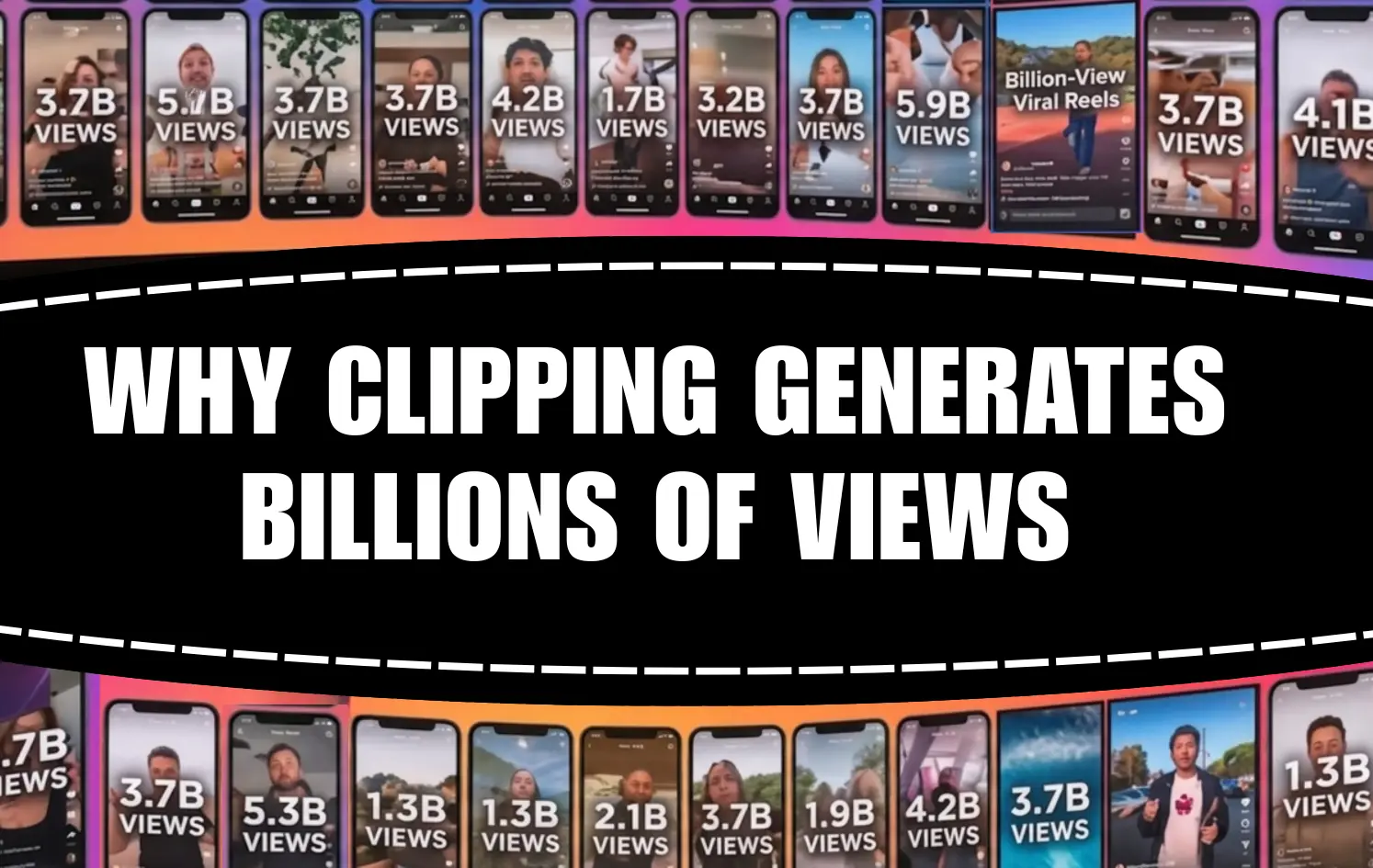
YouTube reports that YouTube Shorts receives more than 70 billion views every day. Short clips now make up a major portion of video consumption across the platform.
TikTok also built its entire platform around short videos and has over 1 billion monthly active users worldwide.
These numbers show why clipping has become a central strategy for creators. Short clips can spread quickly through recommendation feeds and reach audiences far beyond the original video.
The Attention Economy Behind Clipping
Online platforms compete for viewer attention. Because attention spans are limited, short videos often perform better than long recordings.
Clipped videos deliver a single idea quickly. When viewers understand the message within seconds, they are more likely to watch the entire clip.
High completion rates send a positive signal to platform algorithms. When a video keeps viewers watching, platforms recommend it to more users.
This is one reason why clips from podcasts or interviews can spread quickly. A powerful moment from a long conversation can become a short video that reaches millions of viewers.
The Long-Form to Short-Form Model
One of the most effective content strategies today is converting long videos into many short clips.
This strategy is called long-form to short-form content repurposing.
Creators record one long video and then extract multiple clips from it.
Common sources for clipping include:
- podcasts
- interviews
- livestreams
- webinars
- YouTube video
From one recording session, creators can produce many short clips. Each clip highlights a single moment or idea.
This approach allows creators to generate weeks of content from one recording.
For example, a podcast episode can easily produce 10 to 30 clips, each designed for short-form platforms.
How Video Clipping Works
Video clipping follows a simple editing workflow.
1. Identify Key Moments
Editors review the long video and search for moments that capture attention. These moments may include strong opinions, useful advice, emotional reactions, or surprising statements.
These highlights are the parts most likely to perform well as clips.
2. Extract the Clip
Once the moment is identified, the editor trims the surrounding footage to keep the segment focused.
Most clips range between 15 seconds and 60 seconds.
Short clips allow viewers to quickly understand the message.
3. Optimize the Clip
Editors prepare the clip for social media platforms. This often includes vertical formatting and subtitles.
Captions are important because many viewers watch videos without sound.
4. Publish Across Platforms
The final clip is published on platforms such as TikTok, YouTube Shorts, and Instagram Reels.
Each platform distributes the clip through discovery feeds that show content to users who may not follow the creator.
Types of Video Clipping
Different creators use clipping in different ways depending on their content.
1. Podcast Clipping
Podcast clipping is one of the most common forms of video clipping.
Podcast episodes often last one or two hours. Editors extract interesting discussions and publish them as short clips.
These clips act as previews that encourage viewers to watch the full episode.
2. Livestream Clipping
Livestreams often contain spontaneous reactions and memorable moments.
Clipping allows creators to capture these highlights and share them after the broadcast.
Gaming creators frequently use this method to share exciting gameplay moments.
3. Educational Clipping
Educators and coaches clip key moments from lessons or webinars.
These clips deliver quick insights that viewers can understand instantly.
4. Social Media Clipping
Many creators produce long videos specifically so they can generate multiple short clips for social platforms.
These clips often focus on clear advice, strong opinions, or interesting facts.
Platforms Built on Clipped Content
Several major social platforms rely heavily on clipped video content.
1. TikTok
TikTok popularized the short-form discovery feed. The platform distributes videos to users based on interest rather than follower count.
This allows clips from small creators to reach very large audiences.
2. YouTube Shorts
YouTube introduced Shorts to support short-video discovery.
Short clips allow creators to reach viewers who may not normally watch long videos.
3. Instagram Reels
Instagram Reels also focuses on short videos that are easy to watch and share.
Clipped moments from podcasts and interviews often perform well on this platform.
The Clipping Ecosystem
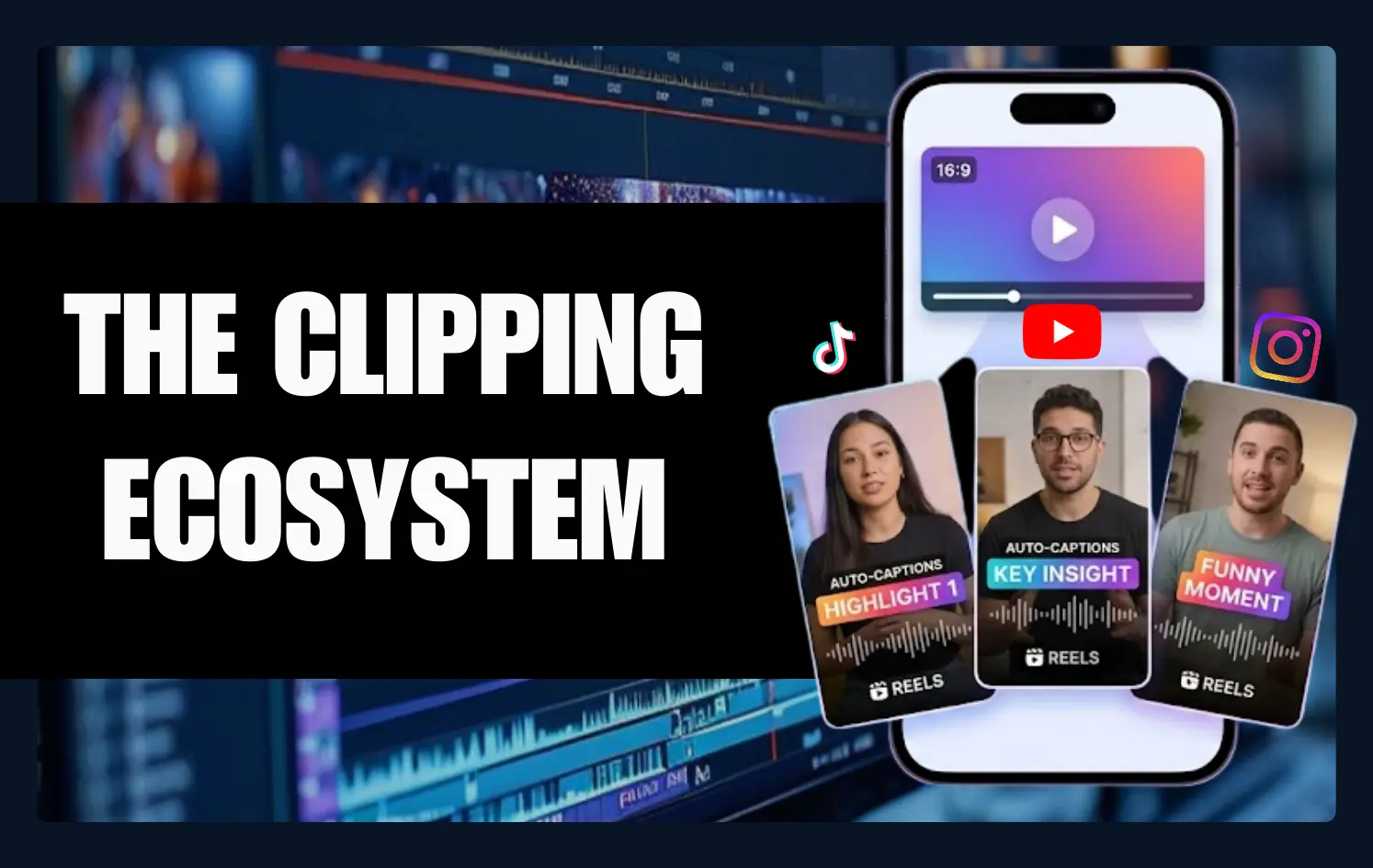
Clipping has created a large ecosystem around short video distribution.
Creators publish clips themselves, but many channels also focus only on posting highlight clips from popular podcasts and interviews.
These clip channels collect interesting moments from conversations and share them with large audiences.
As a result, a single moment from a discussion can appear across many accounts and platforms.
This network of creators, editors, and clip channels helps clips reach millions of viewers.
Who Uses Video Clipping
Video clipping is used by many different types of creators and organizations.
Podcasters
Podcasters rely on clips to promote their episodes and reach new listeners.
YouTubers
YouTube creators use clips to distribute highlights from longer videos.
Coaches and Educators
Educators clip key insights from lessons or presentations.
Brands
Brands use clipping to share product discussions, interviews, or marketing messages in short video formats.
Why Many Creators Outsource Video Clipping
Clipping content requires time and careful review of long recordings.
Creators who produce regular content often record several hours of footage each week. Turning those recordings into clips requires consistent editing.
Many creators outsource clipping so they can focus on recording content and engaging with their audience.
Editors review the footage, identify strong moments, and prepare clips for social platforms.
This allows creators to publish short videos consistently without spending hours editing.
How Clipping Helps Content Grow Faster
Clipping increases the reach of long-form content.
Instead of relying on one video, creators distribute many clips across multiple platforms.
Each clip becomes an entry point to the original content. A viewer may discover a short clip and then decide to watch the full episode.
This distribution model helps creators expand their audience while maximizing the value of every recording.
Turning Long Videos Into Scalable Content
Many creators record hours of valuable content but publish only a small portion of it. Video clipping allows them to turn those recordings into a steady stream of short videos.
Instead of producing new content every day, creators can reuse existing recordings and share the best moments across multiple platforms.
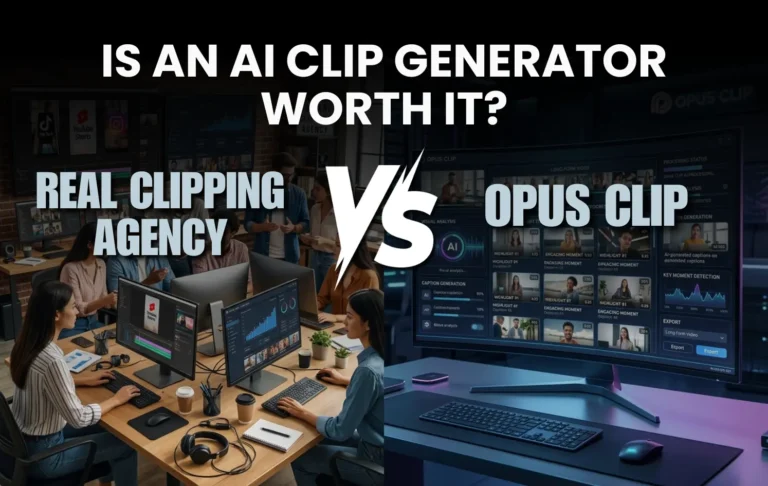
If you want to turn long videos into consistent short-form content without spending hours editing, Clipping Agency helps creators convert long recordings into ready-to-publish clips designed for social media growth.
FAQ About Video Clipping
What is clipping in video editing
Clipping in video editing means extracting short segments from a longer recording. These segments highlight important moments and can be shared as independent videos.
What is video clipping used for
Video clipping is used to create short videos from long content such as podcasts, interviews, or livestreams.
Why do creators clip long videos
Creators clip long videos because short videos attract more attention and often reach larger audiences on social media platforms.
How long should a video clip be
Most clips range from 15 seconds to 60 seconds. This length helps keep viewers engaged while delivering a clear message.