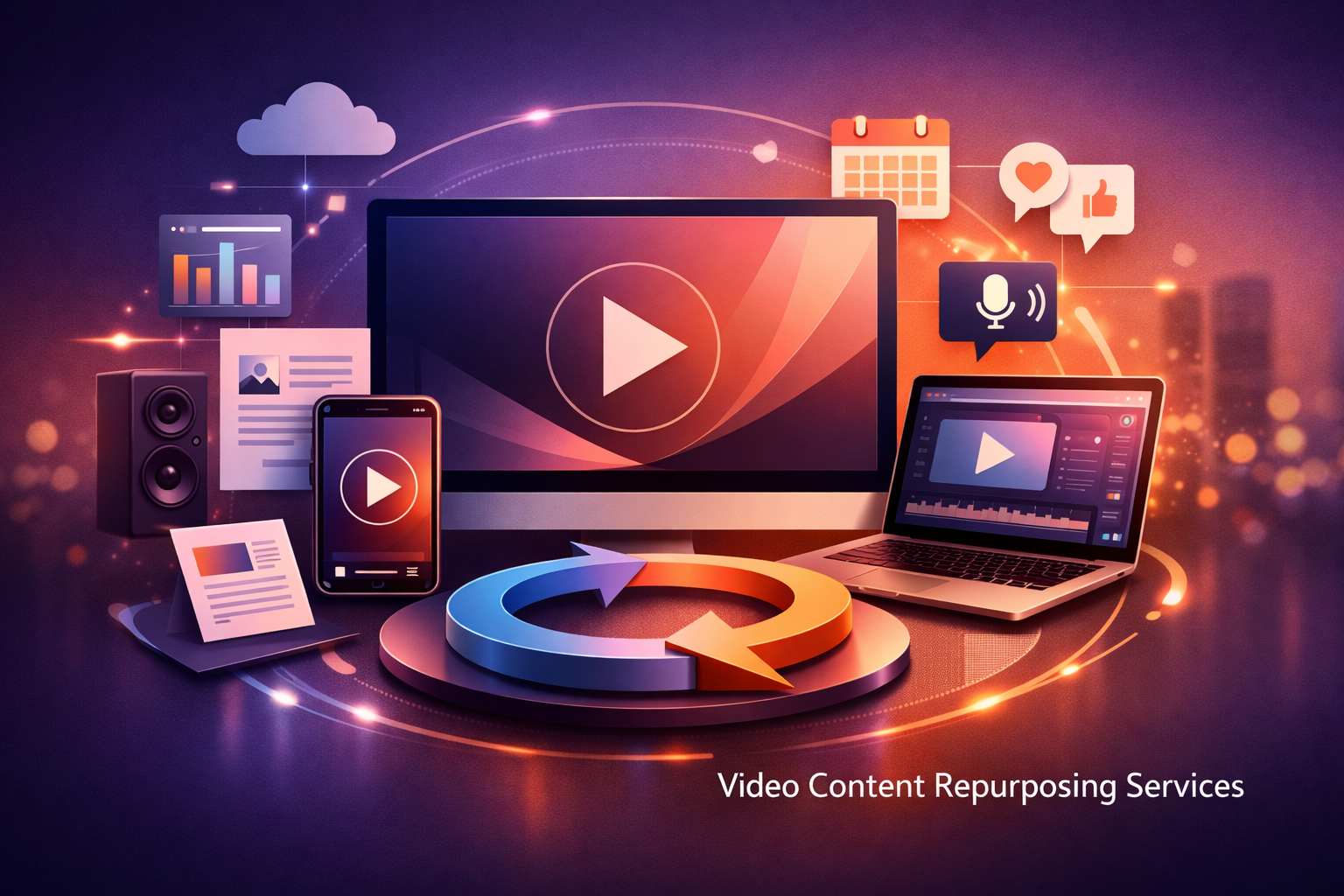

Video content repurposing services help brands transform one recording into multiple high-impact videos that stay consistent across every platform.
It rarely starts with a grand plan. Most of the time, it begins with one solid video and a quiet question: Can this do more? And the answer is almost always yes.
One video can travel far when handled the right way. A long interview turns into short clips. A webinar becomes daily social posts. A single message finds new life across platforms, without feeling forced or repeated. That’s the real power behind video content repurposing services.
Instead of chasing new ideas every week, brands are learning to reuse what already works. Smart edits. Better timing. Clear intent. As a result, content lasts longer, reaches wider, and feels more intentional. And in a space where attention disappears fast, that kind of strategy changes everything.
What Are Video Content Repurposing Services?
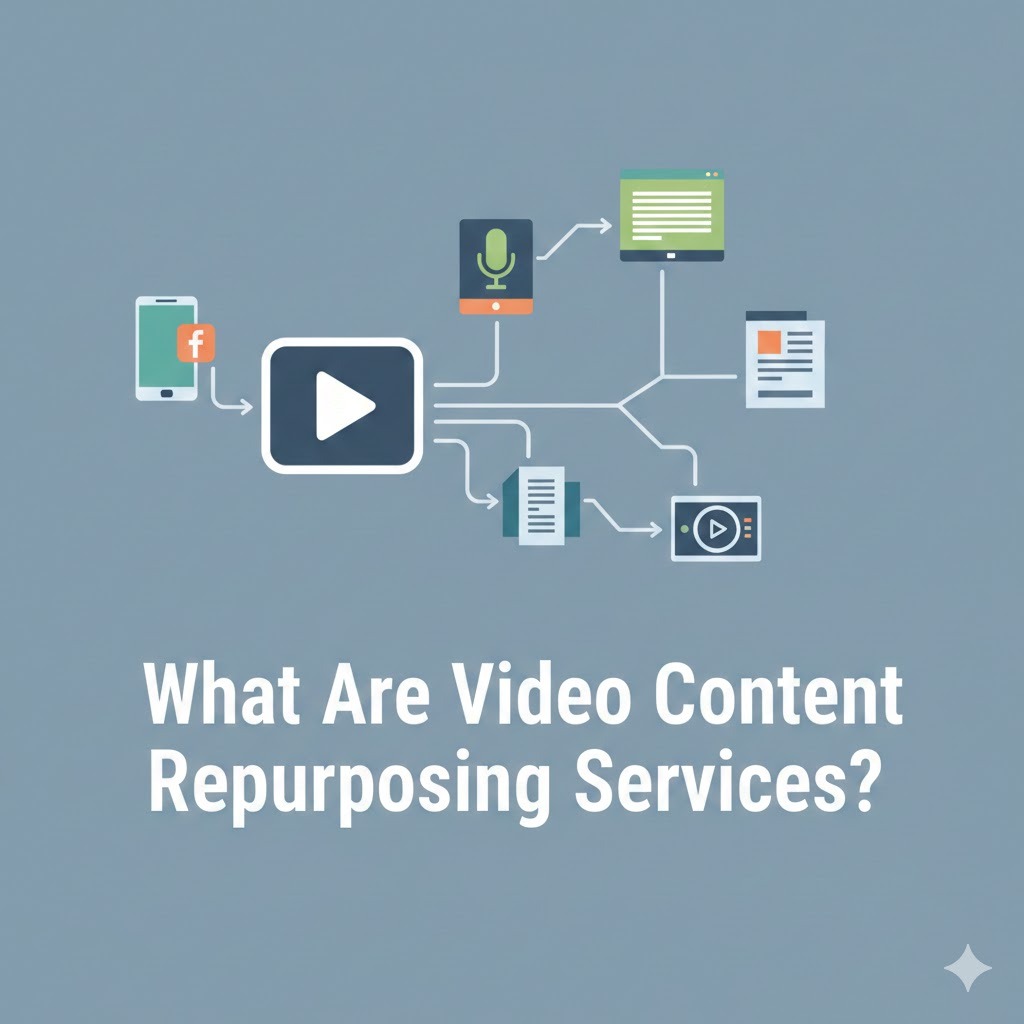
It usually starts with one video sitting there. Uploaded. Shared once. Then slowly forgotten. Not because it wasn’t good, but because it only showed up in one place, at one time. That’s the gap video content repurposing services are built to fill.
At their core, these services take a single piece of video and help it live multiple lives. Not copies. Not lazy reposts. Real adaptations that fit where people are actually watching.
It’s Not Just About Cutting Clips
Editing is mechanical. Repurposing is intentional. Instead of asking how do we shorten this? the better question becomes what moments matter most here? A long interview may hold dozens of strong ideas. A webinar often hides simple insights people missed the first time. Repurposing pulls those moments out, one by one, and gives each its own space to breathe.
Sometimes that means reshaping the message. Other times, it’s about changing the pace, the opening line, or even the order of thoughts. The content stays familiar, yet it feels new. And that’s the difference.
Video Content Recycling, Done Thoughtfully
Recycling gets a bad reputation because it’s often done carelessly. Same clip. Same caption. Everywhere. Audiences feel that immediately.
Thoughtful recycling works differently. It respects the platform. Short-form feeds move fast, so the hook comes early. Professional networks prefer clarity, so the message leads. Entertainment-driven platforms lean into emotion, so moments feel lighter and more human.
Small shifts like these change how a video performs. More importantly, they change how it’s received. The content doesn’t feel reused. It feels repurposed.
Who These Services Are Really For
This isn’t just for large brands with big teams. In fact, many of the people who benefit most are working with limited time and energy.
Creators use repurposing to stay visible without filming nonstop. Agencies rely on it to keep campaigns active across platforms. Educators and consultants use it to turn long explanations into short, digestible lessons. Even growing businesses find that one solid recording can fuel weeks of content.
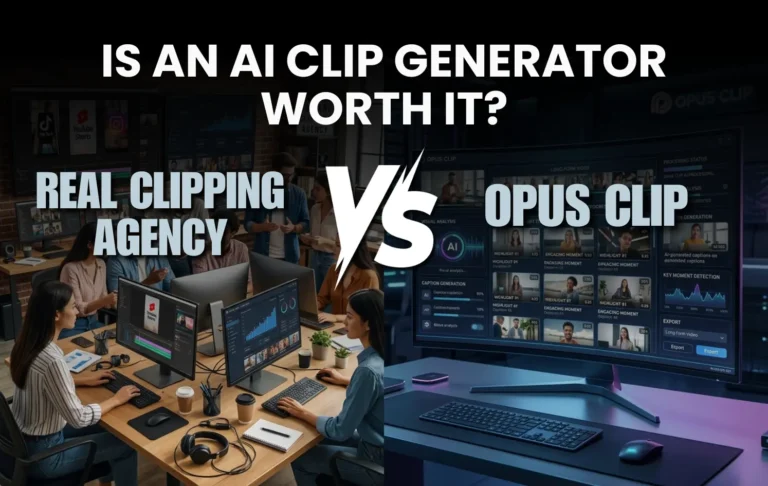
That’s where teams like Clipping Agency come in. They focus on extracting value from what already exists, shaping long-form videos into smaller moments that still feel natural. The message stays intact. The delivery simply adapts.
Repurposing vs. Reposting
The line between the two is subtle, but important. Reposting repeats. Repurposing reframes. One keeps content alive. The other gives it purpose in a new setting. A single insight might become a short tip. A conversation might turn into a story. Same source, different experience.
Once that shift happens, content stops feeling disposable. It becomes flexible. Reusable. Something that grows instead of fades. And that’s when video starts working harder, without asking more from you.
Video Content Recycling in Modern Marketing
It didn’t happen overnight. There was no single announcement or big shift. Instead, marketers slowly realized something wasn’t adding up. They were creating more content than ever, yet attention felt shorter, thinner, harder to hold. So they adjusted. Quietly at first. Then all at once.
That’s how video content recycling found its place.
Attention Moved Faster Than Production
Audiences scroll fast. Really fast. One long video can disappear in minutes, no matter how good it is. At the same time, producing new videos takes time, energy, and money. Eventually, those two realities collide.
So brands started asking better questions. Instead of what’s next to film? the focus shifted to what can we reuse? A single recording already held multiple ideas. Multiple moments. Multiple entry points. Ignoring that felt wasteful. Recycling became less about saving effort and more about respecting the value of what already existed.
Platforms Changed the Rules
Social platforms didn’t just encourage short-form video. They rewarded it. Algorithms favored frequent posting, fresh hooks, and consistent presence. Long gaps between uploads became a problem. But filming daily wasn’t realistic for most teams.
That’s where recycling made sense. A YouTube video could quietly power an entire month of short clips. A live session could turn into daily insights. One idea could meet people in different places, at different times, without losing its core meaning. And when paired with smart video content repurposing services, that process became smoother and more intentional.
Consistency Became the Real Goal
Modern marketing isn’t about one viral hit anymore. It’s about showing up. Again and again. With clarity. Video content recycling supports that rhythm. Instead of rushing toward the next big thing, brands stay present using what already works. They test different angles, try new hooks and adjust pacing and tone. Over time, patterns emerge. What resonates stays. What doesn’t quietly fades.
This approach removes pressure. Content creation stops feeling like a sprint and starts feeling sustainable.
Recycling Doesn’t Mean Repeating
Here’s the part many people miss. Recycling isn’t copying and pasting. It’s rethinking. The same message can feel completely different depending on how it’s framed. A serious point can become a quick tip. A long explanation can turn into a relatable moment. Small shifts in structure create entirely new experiences.
That’s why good recycling feels invisible. The audience doesn’t think, I’ve seen this before. They think this makes sense right now.
Why This Shift Is Sticking Around
Marketing keeps moving faster. Platforms keep changing. Attention keeps shrinking. Those trends aren’t reversing. Video content recycling fits this reality. It allows brands to move with the pace, not fight it. And when done with care, it doesn’t dilute creativity. It amplifies it.
In the end, the rise of recycling isn’t about doing less. It’s about doing smarter. Making content work longer. Letting strong ideas keep moving, instead of letting them fade after one post.
Social Media Video Repurposing
Social media doesn’t wait. Feeds refresh constantly, trends move fast, and yesterday’s post disappears almost instantly. Yet, the message brands want to share usually stays the same. That tension is exactly why repurposing has become part of everyday marketing, not a bonus strategy.
One Message, Many Platforms
Every platform speaks its own language. What feels natural on YouTube may feel slow on Instagram. What works on TikTok might feel too playful for LinkedIn. Still, the core idea doesn’t need to change.
This is where social media video repurposing does its real work. A single video becomes many versions of the same story. The hook shifts. The pacing changes. Sometimes the ending moves to the front. Other times, a quiet moment becomes the highlight. The message stays intact, but the delivery adapts. And because of that, the content feels native instead of copied.
Adapting Without Losing the Story
Repurposing for social media isn’t about shrinking content until it fits. It’s about understanding what each audience needs at that moment.
Short-form platforms reward speed. The first few seconds matter most. Professional networks lean toward clarity and value. Entertainment-driven feeds thrive on emotion and relatability. So the same clip may appear with different captions, different emphasis, or even a different tone altogether.
When done well, these adjustments are subtle. Viewers don’t notice the effort. They simply feel like the content belongs where it shows up.
Consistency Without Burnout
Posting regularly sounds simple. In reality, it’s exhausting. Social media video repurposing solves that problem quietly. Instead of filming nonstop, brands rely on one strong recording to fuel weeks of content. This keeps feeds active without draining creative energy. More importantly, it creates space to focus on quality rather than constant output.
And with the support of thoughtful video content repurposing services, that consistency becomes easier to maintain. Systems replace guesswork. Strategy replaces stress.
Why Short-Form Changed Everything
Short videos didn’t just change how people watch. They changed how brands plan. Today, it’s normal for one long video to be the starting point, not the final product. A podcast turns into reels. A webinar becomes daily clips. A behind-the-scenes moment transforms into something relatable and human. Each piece points back to the larger story, without repeating it word for word.
This approach builds familiarity over time. Audiences may miss one post, but they catch another. Eventually, the message lands.
The Subtle Power of Platform-Specific Content
The strongest repurposed content doesn’t announce itself. It blends in, respects the culture of each platform and speaks without shouting.
That’s why social media repurposing works best when it’s intentional. Not rushed. Not random. Just thoughtful adjustments that help content travel further.
In the end, it’s not about being everywhere for the sake of it. It’s about showing up in the right way, at the right time, with a message that still feels real.
Video Marketing Content Services
Not every video starts with a camera. Sometimes it begins with a strategy. A quiet plan behind the scenes that decides how one idea will travel, where it will appear, and how long it will stay relevant. That’s where video marketing content services step in. They don’t just shape visuals. They shape direction.
Beyond Basic Editing
At first glance, it may look like simple editing work. Cuts, captions, maybe a few graphics. But there’s usually more happening underneath.
A strong service looks at the full journey of a video. How it opens. Where it pauses. What part deserves attention first. Instead of treating content as a one-time upload, teams think about how it will live across platforms. This is also why many brands lean on video content repurposing services — not just to shorten clips, but to give each version a clear role.
Sometimes that means turning a long explanation into short lessons. Other times, it’s about building a story from moments that felt small at first.
The Pieces That Come Together
Most people don’t see how many moving parts sit behind a finished clip. Subtitles make content accessible even without sound. Branding overlays keep visuals consistent. Thumbnails quietly guide viewers toward clicking.
And then there’s structure. The way a video starts matters more than ever. Hooks come earlier. Messages feel clearer. Even pacing shifts depending on where the video will live next. Individually, these changes seem small. Together, they shape how a brand feels online.
Strategy First, Tools Second
It’s tempting to focus on tools or software. Yet tools only follow direction. Without a clear idea behind them, edits feel random.
Good video marketing content services begin with understanding the audience. What are they looking for? What keeps them watching? Where do they drop off? Once those questions are clear, editing decisions start to make sense. Every cut has a reason. Every caption supports the message. And slowly, content stops feeling rushed. It starts to feel intentional.
Helping Brands Stay Consistent
Consistency sounds simple until real life gets busy. Deadlines shift. Ideas slow down. Energy runs low. That’s when structured services make the biggest difference.
Instead of scrambling for new content each week, brands rely on a steady flow built from what they already have. A webinar becomes multiple clips. A single shoot fuels weeks of posts. The workload feels lighter, but the presence stays strong.
The Quiet Value Behind the Scenes
The best services rarely draw attention to themselves. They work in the background, guiding content without overpowering it. Viewers don’t think about editing styles or marketing strategy. They just feel that the message flows naturally.
And that’s the point. Video marketing content services aren’t about making things louder or flashier. They’re about making content last longer, reach further, and stay aligned with a brand’s voice. Over time, that steady approach builds something more reliable than quick wins — it builds momentum.
Future Trends in Video Marketing Content Services
Trends don’t always arrive with loud announcements. Most of the time, they appear quietly. A new workflow here. A smarter editing habit there. And before long, the way brands create and share video starts to feel different. Not dramatic. Just more refined.
Smarter Workflows, Less Guesswork
For years, content teams relied heavily on instinct. They posted, watched results, and adjusted later. Now, the process feels more guided. Data plays a bigger role. Teams look at watch time, audience reactions, and small engagement signals before shaping the next version of a clip.
This doesn’t remove creativity. Instead, it gives it direction. Editors know where viewers pause. Marketers understand which moments connect. And as a result, video content repurposing services are evolving into something more strategic, less reactive.
AI as a Quiet Assistant
Artificial intelligence keeps showing up in conversations, yet its role often stays subtle. It helps sort through long recordings, suggest highlights, or speed up repetitive tasks. Still, the heart of the content remains human.
The real shift isn’t automation replacing creativity. It’s automation supporting it. Teams spend less time searching for moments and more time shaping stories. Over time, this balance allows content to move faster without feeling rushed.
Personalization Without Losing Authenticity
Audiences don’t all watch content the same way anymore. Some prefer quick tips. Others stay for deeper explanations. Because of that, future video marketing strategies lean toward personalization.
One long video might produce several variations aimed at different viewers. The message stays familiar, yet the delivery feels tailored. Short-form clips may highlight emotion, while longer edits focus on clarity. Instead of one universal version, brands create flexible content that adapts naturally.
Faster Production, Thoughtful Pacing
Speed matters more than ever. Trends shift quickly, and timing often shapes visibility. Yet faster production doesn’t mean careless output.
The future points toward structured systems. Templates that maintain brand identity. Editing styles that stay consistent. Workflows that reduce delays without flattening creativity. With strong systems in place, teams spend less energy starting from zero each time.
The Rise of Long-Term Content Thinking
Perhaps the biggest change isn’t technical at all. It’s a shift in mindset. Video is no longer seen as a one-time campaign. Instead, brands treat it as a growing library. Every recording holds future potential — short clips, social posts, even educational snippets months later. This long-term view turns content into an asset rather than a temporary post.
And that’s where the future feels most promising. Video marketing content services are moving toward sustainability. Less pressure to constantly create something new. More focus on refining what already exists.
In the end, the next phase of video marketing isn’t about chasing trends blindly. It’s about building systems that let good ideas keep moving forward, evolving naturally as audiences and platforms continue to change.
Conclusion
Content rarely runs out of value. Most of the time, it just runs out of direction. And that’s the real shift happening in modern marketing. Instead of chasing endless new ideas, brands are learning to slow down, look back, and reshape what already works.
That’s where video content repurposing services quietly make a difference. They don’t change the heart of your message. They simply help it travel further. One recording becomes many conversations. One idea reaches people in different ways, at different moments.
More importantly, repurposing creates balance. Less pressure to constantly produce. More room to refine, adjust, and grow. Over time, content stops feeling temporary and starts feeling intentional.
So rather than asking, “What should we create next?” the better question becomes, “What can we build from what we already have?” Because sometimes, the strongest strategy isn’t about starting over — it’s about seeing new potential in what’s already there.