
Learn how to repurpose video for social media to turn long content into short, scroll-stopping clips across platforms.
It rarely starts with a plan. Usually, it starts with a great video that gets posted once… and then forgotten. Days go by. The algorithm moves on. The effort fades faster than it should.
That’s the real problem. Not a lack of content, but a lack of mileage.
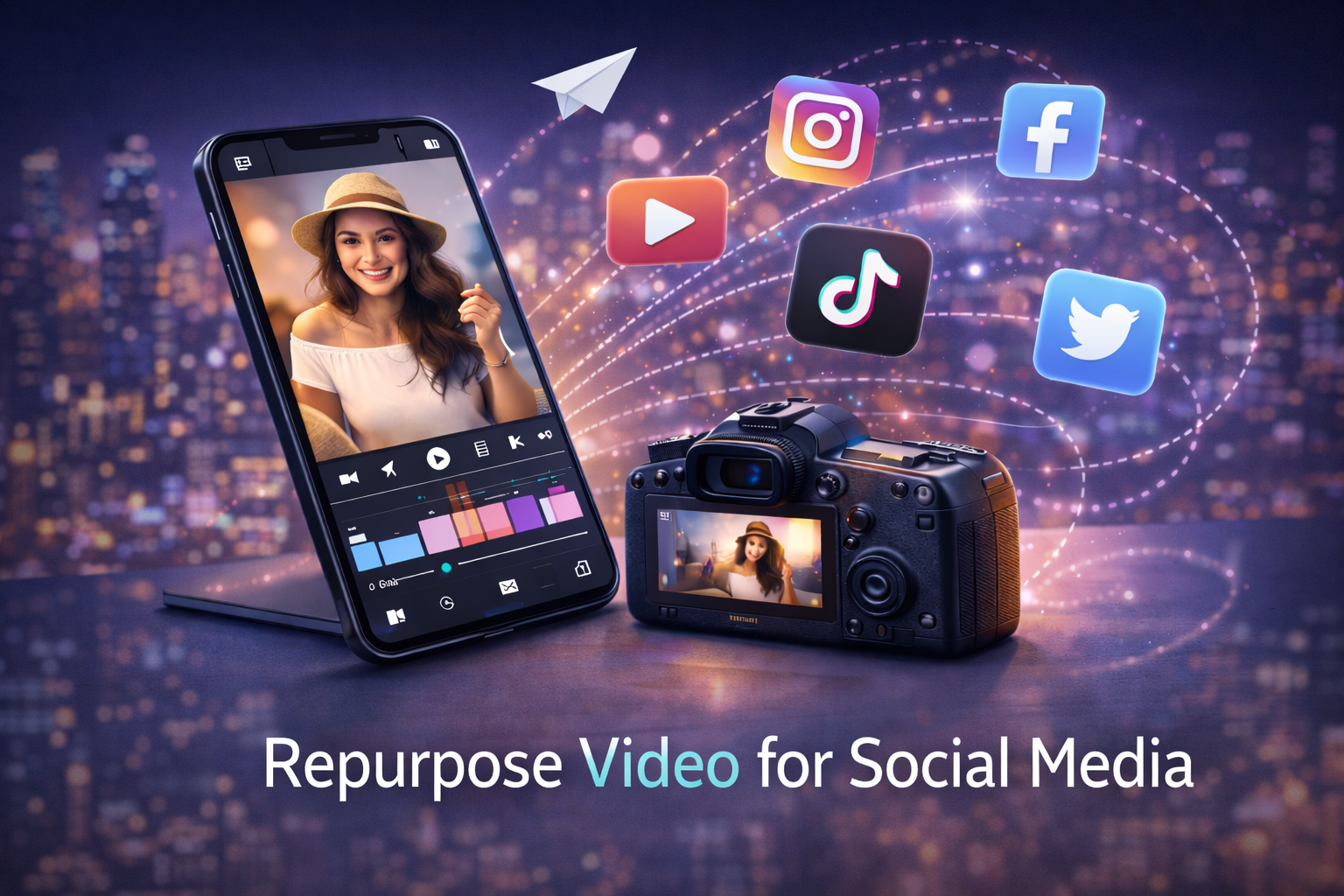
When you repurpose video for social media, you stop treating videos like one-time events. Instead, you turn them into ongoing conversations. A long podcast becomes a sharp clip. A webinar turns into scroll-stopping moments. One idea shows up again and again, in new ways, on new screens.
More importantly, this approach fits how people actually watch content today. Quickly. Casually. In pieces. And when done right, it keeps your message moving—long after the original video ends.
What “repurposing video” Really Means
Most people think repurposing video is just trimming the edges. Cut a long video into smaller parts. Add captions. Post. Done. But that’s only the surface.
Real repurposing goes deeper. It’s about intention. It’s about looking at one piece of content and asking, what else can this become?
When you repurpose video for social media, you’re not recycling content. You’re reshaping it. You’re taking the same idea and letting it live in different forms, on different platforms, for different moods.
It’s not cutting. It’s translating.
A long-form video speaks one language. Short clips speak another.In long videos, people settle in. They listen. They stay. On social media, they skim. They scroll. They decide in seconds.
Repurposing means translating that long conversation into quick, clear moments. A pause that carries meaning. A sentence that lands hard. A reaction that feels real. You don’t copy and paste. You adapt.
That’s why random clips don’t work. They miss the point. Good repurposing finds moments that stand on their own, even without the full context.
One idea, many Expressions
Every strong video carries more than one message. Here’s the main idea. Then there are side thoughts, examples, opinions, and offhand remarks that quietly resonate. Repurposing is about spotting those layers.
A podcast might hold ten solid clips. A webinar could turn into a week of short videos.
An interview might spark multiple angles, each speaking to a different audience. The content was always there. Repurposing just uncovers it.
Strategy Over Volume
Posting more doesn’t always mean growing more. That’s where people get stuck. True repurposing starts with strategy. You choose moments that match the platform. You shape the clip to fit how people watch there. Moreover, you decide the message before the edit even begins.
This is where teams like Clipping Agency come in. Not just cutting clips, but building a system around them. One that respects the content and the audience at the same time.
Because without a plan, repurposing becomes noise. With one, it becomes momentum.
Context Changes Everything
A short clip without context can feel empty. Or worse, confusing. Repurposing adds clarity. Sometimes through captions. Sometimes through framing and sometimes through a single line of text that sets the tone before the clip even starts.
The goal is simple. Make sure the viewer understands why this moment matters, even if they’ve never seen the original video.
It’s about extending the life of ideas. At its core, repurposing video is about respect. Respect for the time it took to create the content. Respect for the ideas inside it.
Instead of letting a good video fade after one post, you give it room to travel. To show up again. To reach people where they already are. And when done right, it doesn’t feel repetitive. It feels intentional.
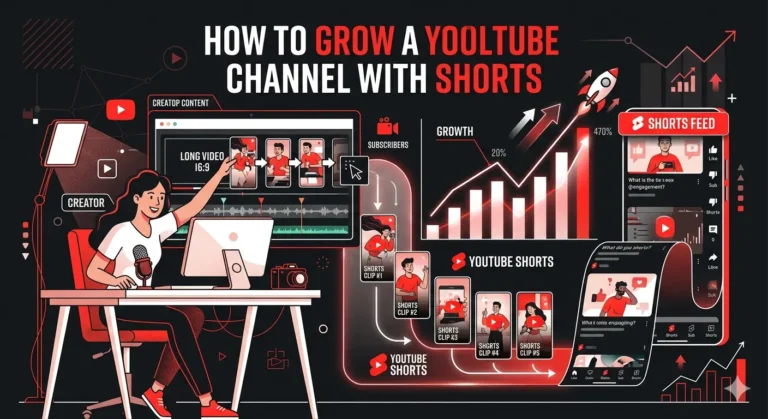
Repurposing Long-Form Video Into Short Clips
Long videos hold everything—the story, the context, the nuance. But on social media, attention doesn’t wait around.
That’s why short clips matter. They act like doorways. Quick moments that pull people in without asking for too much upfront. And when done right, they don’t feel rushed or shallow. They feel complete.
Start With Moments, Not Minutes
A common mistake is thinking in time blocks. Thirty seconds. Sixty seconds. Ninety seconds. That approach rarely works. Instead, look for moments. A sharp insight. A surprising pause. A line that sounds like it was meant to be quoted.
These moments already carry energy. Your job is to let them stand alone. When you focus on meaning instead of length, the clip naturally finds its shape.
Hooks Happen Fast
The first few seconds do the heavy lifting. Sometimes it’s a question. Sometimes it’s a bold statement. Moreover, sometimes it’s a quiet moment that makes people lean in.
There’s no single formula. But there is one rule. The opening must feel alive. If it sounds like an intro, it’s too slow. If it feels like the middle of something interesting, you’re on the right track. This is where repurposing long-form video into short clips becomes an art, not a checklist.
Trim Without Losing the Soul
Cutting a clip is easy. Keeping its meaning is harder. Short clips shouldn’t feel chopped. They should feel intentional. That means removing filler, not feeling. Long pauses can stay. Natural reactions can stay. Small imperfections often make the clip more human.
Over-editing drains personality. Under-editing causes confusion. The balance sits right in the middle.
Let the Platform Guide the Edit
Every platform has its own rhythm. Some reward speed. Others reward clarity. Some thrive on personality. Others on insight. So the same clip may need different pacing, framing, or captions depending on where it’s going. This isn’t extra work. It’s a smart distribution. One moment, shaped to fit multiple spaces.
When you repurpose video for social media, this flexibility is what keeps the content feeling native, not recycled.
Short Doesn’t Mean Shallow
There’s a myth that short clips can’t deliver real value. They can. A single thought, clearly said, often lands harder than a long explanation. Short clips work because they respect the viewer’s time. They give just enough to be useful, interesting, or relatable.
And often, they do something even better. They make people curious enough to seek out the full video.
Think of Clips as Chapters
Each clip is a chapter, not a summary. It doesn’t need to explain everything. It just needs to say one thing well. When you approach repurposing this way, the process becomes easier. And the results feel more natural.
In the end, long-form videos don’t lose value when broken down. They multiply it.
Platform Behavior Matters More Than Format

It’s easy to obsess over format—vertical or horizontal, short or shorter, subtitles or none. But here’s the truth most people miss. Format is only the wrapper. Behavior is the real driver.
People don’t watch the same way everywhere. They scroll differently, pause differently and decide differently. And if you ignore that, even the best-looking video can fall flat.
Every Platform Has Its Own Mood
Open one app, and people are relaxed. Open another, and they’re on a mission. Some platforms reward speed. Others reward depth. Some feel playful. Others feel professional. That mood shapes how videos are received before the content even starts.
So when you repurpose a video for social media, the first question isn’t “what size should this be?” It’s “how are people behaving here right now?” Answer that, and the format becomes obvious.
Attention Isn’t Equal Everywhere
On some platforms, viewers give you a second. Maybe two. On others, they’ll stay longer if you earn it.
That difference changes everything. It affects how fast you get to the point, how much context you include, and whether you open with a hook or drop straight into insight. A slow build might work in one place. In another, it never gets a chance.
Understanding this saves content from being ignored for reasons that have nothing to do with quality.
Sound On, Sound Off, or Somewhere in Between
Not everyone watches with sound. In fact, many don’t. Some platforms lean heavily on silent scrolling. Others expect audio to carry the emotion. That’s why captions aren’t just an add-on. They’re part of the message.
But captions shouldn’t repeat everything word for word. They should guide attention, highlight meaning, and support the clip without distracting from it. When sound, text, and visuals work together, the content feels natural, not forced.
The Same Clip Can Feel Wrong
This is where many repurposing efforts break down. A clip performs well in one place, so it gets posted everywhere—same edit, same pacing, same captions. And suddenly, it feels off.
That doesn’t mean the clip is bad. It means the behavior doesn’t match.
Small changes make a big difference. A tighter opening, a slower pace, a clearer caption. These adjustments respect how people actually consume content on that platform.
Fit In Before You Stand Out
Standing out matters. But fitting in comes first. When a video feels native, people trust it. They don’t feel interrupted. They feel invited. Once that happens, the message lands more easily.
This is why successful repurposing doesn’t chase trends blindly. It studies patterns. It observes how real people scroll, stop, and engage.
Behavior Is the Shortcut
You can spend hours perfecting format. Or you can spend minutes understanding behavior. When you lead with behavior, repurposing becomes simpler, smarter, and more effective. Because in the end, platforms don’t reward videos. They reward attention.
Video Repurposing for TikTok, Reels, Shorts (and Beyond)
Short-form platforms may look similar on the surface. Vertical video. Quick scrolls. Endless feeds. But the way people behave on each one tells a different story.
That’s why repurposing isn’t about pushing the same clip everywhere. It’s about shaping one moment to fit many environments.
TikTok: Fast, Loose, and Personality-Driven
TikTok moves quickly. People expect energy, honesty, and a sense of presence. Polished edits matter less than feeling real.
Clips that work here often jump straight into the point. No long intros. No buildup. A strong opening line or visual pulls viewers in before they swipe away.
Video repurposing for TikTok Reels Shorts starts by understanding that TikTok rewards momentum. Short pauses. Natural reactions. Even rough edges can help the content feel native instead of staged.
Instagram Reels: Visual Storytelling Wins
Reels live in a more curated space. People still want speed, but they also expect a clean look. Here, pacing slows slightly. Visual clarity matters. Captions guide the story rather than repeat it. Reels perform best when they feel intentional but not overproduced.
This is where strong framing helps. A single idea. One clear takeaway. Enough context to make the clip feel complete, even without the full video behind it.
YouTube Shorts: Value Comes First
YouTube Shorts sit closer to search than people realize. Viewers often expect something useful. A tip. An explanation. A clear insight. Entertainment still matters, but clarity matters more.
Clips that perform well here usually get to the point quickly, then deliver something concrete. No fluff. No confusion. Just a focused moment that earns attention.
Same Content, Different Energy
One clip can travel across all three platforms. But it rarely travels unchanged.
A faster cut for TikTok, a cleaner edit for Reels and a clearer message for Shorts. These tweaks don’t change the idea. They change how it’s received. That’s the difference between content that feels recycled and content that feels native.
When you repurpose video for social media, this flexibility is what keeps your message consistent without becoming repetitive.
Beyond the Big Three
Short-form doesn’t stop at TikTok, Reels, and Shorts. LinkedIn prefers insight over entertainment, X favors sharp thoughts and quick context and even newsletters and blogs can pull value from short clips.
Thinking beyond the main platforms extends the life of your content even further. One video can support many channels when it’s shaped with intention.
Let the Platform Lead
The strongest repurposing strategy listens before it posts. Watch how people talk. Notice what stops the scroll. Pay attention to pacing, tone, and structure. Then adapt.
Video repurposing for TikTok Reels Shorts isn’t about chasing trends. It’s about understanding behavior and meeting it where it already is. Do that, and your content doesn’t just show up. It fits.
Multi-Platform Video Repurposing

One video. One idea. That’s where it starts. But it shouldn’t end there. Most content fails not because it’s bad, but because it doesn’t travel far enough. That’s exactly the problem a social media clipping agency is built to solve. It gets posted once, on one platform, and then quietly disappears. Multi-platform video repurposing fixes that. It gives your content more places to live and more chances to be seen.
One Message, Many Touchpoints
At its core, repurposing across platforms is about reaching with intention. You’re not changing what you’re saying. You’re changing how it shows up. The message stays the same. The delivery shifts.
A single insight might feel casual on one platform, thoughtful on another, and authoritative somewhere else. Each version speaks to the same idea, just through a different lens. That’s how you stay consistent without sounding repetitive.
Distribution Is Part of Creation
Too often, distribution is treated like an afterthought. The video is finished. Then someone asks, “Where should we post this?” That’s backwards. In strong systems, distribution shapes the edit from the beginning.
When you plan for multi-platform video repurposing early, you naturally create content that’s flexible. You leave room for cuts. You capture a clean sound. Moreover, you frame shots that work vertically and horizontally. Small decisions upfront save hours later.
Familiar, Not Repetitive
Seeing the same idea more than once isn’t a bad thing. In fact, it’s how messages stick. The key is variation. Different hooks, different captions and different pacing.
These shifts keep the content feeling fresh, even when the idea is familiar. Over time, this repetition builds recognition. People start to associate your voice, your style, and your perspective with value. That’s how content compounds.
Consistency Builds Trust
Posting on multiple platforms isn’t about chasing algorithms. It’s about being present where your audience already is.
When people see you show up regularly, across platforms, with a clear message, trust grows. You don’t feel random. You feel reliable. And when trust exists, engagement follows more naturally.
This is why brands that repurpose well often feel bigger than they are. Their content works harder, not louder.
Systems Beat Spontaneity
Relying on inspiration leads to gaps. Systems create momentum. A simple workflow can turn one long video into weeks of content. Clips for short-form platforms. Quotes for text posts. Visual snippets for stories or feeds. When this process runs smoothly, content stops feeling stressful. It becomes predictable in the best way.
Looking to build that system? See how clipping campaigns are structured to keep your content moving consistently.
The Real Advantage
When you repurpose video for social media across platforms, you stop starting from scratch. You build on what already exists. That’s the real power of multi-platform video repurposing. It respects your time, your ideas, and your audience. One message. Many paths. Much farther reach.
Turning Podcasts and Videos Into Social Clips
Podcasts and long videos hold a lot. Stories, advice, jokes, insights—moments that matter. But most of it sits there, untouched. Forgotten after the first release. That’s where turning podcasts and videos into social clips comes in.
When you repurpose video for social media, you give these moments a second chance. They show up on feeds, in stories, on timelines—where people actually spend their time.
Spot the Moments
Not every sentence is clip-worthy. Listen closely. Find the gems. A laugh. A tip. A reaction. Even a pause can work. These little moments often carry more punch than the long video. Extract them carefully. Make sure the clip makes sense on its own. The audience shouldn’t feel lost.
Audio or Video First
Podcasts are audio-first. Videos are visual-first. That matters. Audio clips need captions and visuals. Videos need framing, motion, and reactions. Tiny adjustments make the clip feel alive, not like someone just trimmed a long video.
Hooks Matter
The first few seconds decide everything. Ask a question. Make a bold statement. Show emotion. Stop the scroll. Deliver on that hook. Turning podcasts and videos into social clips isn’t just editing. It’s storytelling, condensed. Every second counts.
Make It Feel Native
Each platform has its own vibe. TikTok wants energy. Reels want polish. Shorts want clarity. LinkedIn wants insight. One clip rarely works everywhere without tweaks. Adjust pace. Reframe visuals. Add captions that feel natural. That’s how content feels like it belongs, not recycled.
Stretch Your Content
One podcast episode can become a week of clips. One long video can become multiple posts. Organize by mood, topic, or takeaway. Schedule them. Keep your presence steady. Suddenly, your ideas keep moving. Your audience stays engaged. Your effort goes further than ever.
Small Clips, Big Reach
Even a few seconds can spark curiosity, reinforce a point, or remind people who you are. Turning podcasts and videos into social clips isn’t about more work. It’s about making your work work harder. If podcasts are your main format, see how a dedicated podcast clipping service can handle this for you.
When done right, your content stops disappearing. It grows, spreads, and shows up exactly where people need it.
Conclusion
Repurposing video isn’t about doing more. It’s about doing better. One long podcast, webinar, or video holds ideas that can travel far—if you let them. When you repurpose video for social media, you give your content a second life, one that reaches more people, in more ways, without extra creation.
Think of it like planting seeds. Each clip is a tiny shoot, growing across platforms, feeds, and stories. Some sprout quickly. Some take time. Together, they build a garden of attention that keeps growing.
It’s not perfect. Not every clip will land. Not every post will be seen. But when you focus on moments, hooks, and native delivery, your content starts to work harder, smarter. It doesn’t just exist—it connects, engages, and lingers.
In the end, repurposing is respect—for your ideas, your audience, and your time. Do it well, and one video can become many stories, many chances, and a lot more impact than you ever imagined.
Ready to turn your videos into a real content engine? Explore how clipping fits into your broader marketing strategy.
Every Day You Wait, A Competitor Gets the View
We recruit, train, and manage a clipping army that distributes your content across 50–500 accounts on TikTok, Reels, and Shorts simultaneously. One upload becomes hundreds of posts. Every single day.
Trusted by 1,000+ creators · 10 Billion+ views generated