
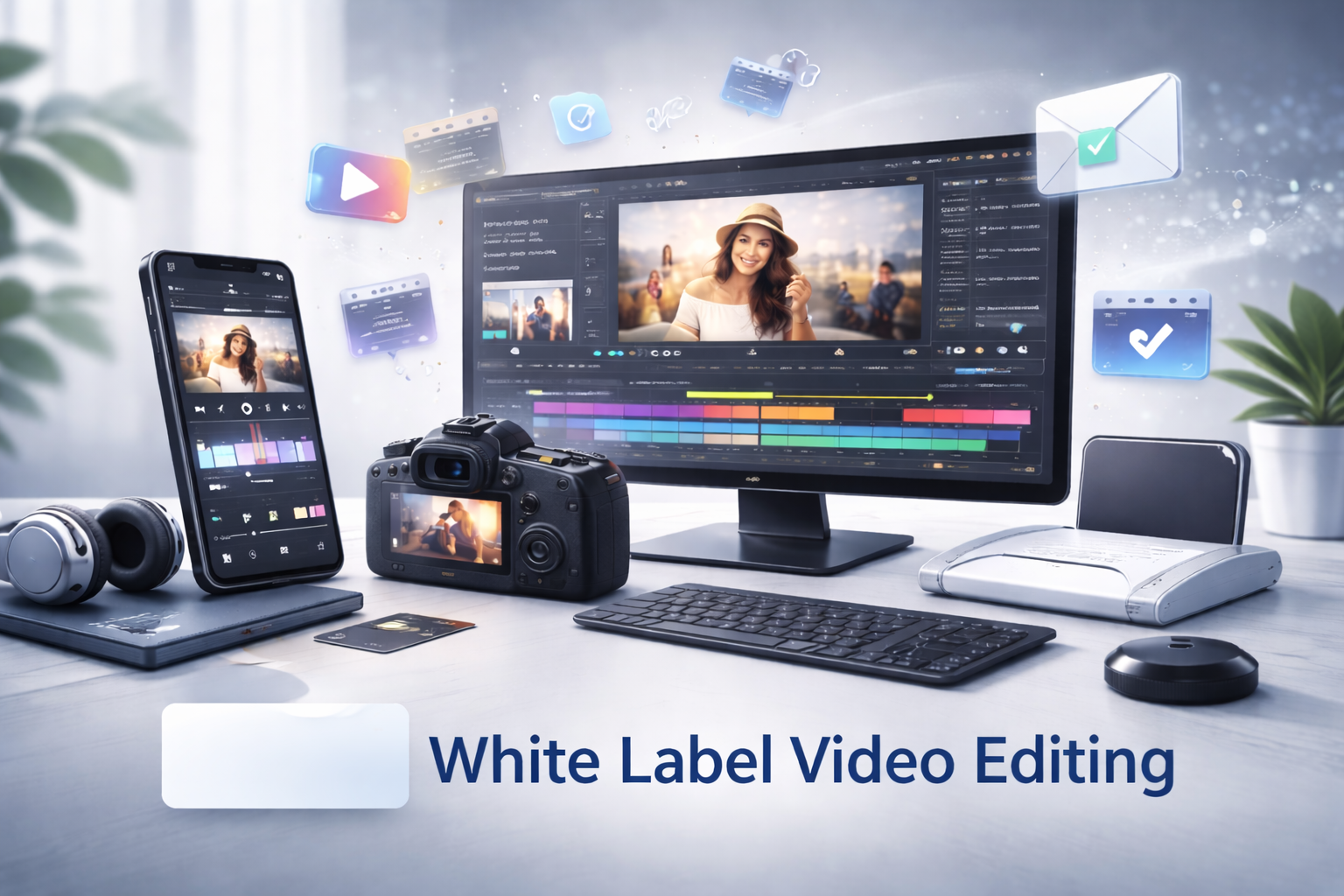
White label video editing helps agencies scale smarter, faster, and more efficiently.
It rarely breaks all at once. Growth usually sneaks in quietly. One more client. One more campaign. Then suddenly, your team is stretched thin, and editing starts to feel heavier than it should. Not because it’s hard—but because it never stops.
That’s where smart agencies pause and rethink the setup.
Instead of hiring fast or burning out creatives, many choose a quieter solution. White label video editing. It works behind the scenes, yet keeps everything client-facing exactly where it belongs.
With the right system, videos get edited on time. Quality stays consistent. Your brand voice doesn’t drift. And most importantly, you stay focused on strategy, not timelines.
Because real growth isn’t about doing more work. It’s about building support that lets you do the right work—without anyone seeing the seams.
What “White Label” Really Means in Creative Work
At first glance, white label sounds technical. Maybe even a little cold. But in creative work, it’s anything but that. It’s not about replacing your team or cutting corners. It’s about building quiet support that fits so well, no one notices it’s there.
Think of it like this. The work still feels yours. The ideas still come from your strategy. The relationship still lives between you and the client. White label simply handles the execution—cleanly, consistently, and without stepping into the spotlight.
That’s the heart of it.
It’s Invisible by Design
White label work doesn’t ask for credit. It doesn’t need a logo or a shoutout. In fact, the best white label partners are the ones clients never hear about. They work in the background, following your rules, your tone, and your timelines.
This is especially true with white label video editing. Every cut, caption, and transition has to feel like it came from the same place. Same voice, rhythm and standards. If it doesn’t, the illusion breaks. And in agency work, that illusion matters.
So instead of “outsourcing,” think of it as extending your team—without adding desks, contracts, or long onboarding calls.
Control Stays with the Agency
There’s a common fear here. If someone else edits the content, do you lose control? In a proper white label setup, the answer is no. You actually gain more.
Why? Because everything runs on process. Clear briefs. Brand guidelines. Feedback loops that don’t drag on forever. Over time, the system learns how you work. What you like, avoid and what your clients expect.
That’s when white label stops feeling external. It just becomes part of how things get done.
Agencies that work with structured partners—like Clipping Agency, for example—often notice this shift early. Fewer revisions. Faster turnarounds. Less back-and-forth. Not because creativity disappeared, but because alignment improved.
It’s Not About Doing Less. It’s About Doing Better.
White label doesn’t remove creativity from your business. It protects it. When your internal team isn’t buried in timelines and edits, they think more clearly. Strategy improves. Client conversations get sharper. And instead of rushing content out the door, you start making smarter decisions about what should exist in the first place.
Meanwhile, the editing still gets done. Quietly. Reliably. On schedule. That balance is the real value.
Trust Is the Real Product
At its core, white label creative work runs on trust. Trust that the work will match your standards. Trust that deadlines will be met. Also, trust that your client experience stays intact.
Once that trust is built, everything moves faster. You stop checking every frame. You stop worrying about consistency. Moreover, you stop feeling like growth means chaos.
And that’s when white label truly works. Not as a shortcut. But as a system that lets agencies grow without showing the cracks.
White Label Short-Form Video Editing
Short videos don’t wait. They move fast, demand attention, and disappear just as quickly if they miss the mark. For agencies, that speed is both exciting and exhausting. One reel turns into five. One idea becomes a week of edits. And before long, timelines start running the show.
This is where things shift. Short-form content works best when the system behind it is steady. Not rushed. Not reactive. Just reliable. That’s why many agencies lean on white label support to keep up without burning out.
Speed Matters, but Consistency Matters More
Short-form videos live on momentum. Miss a trend, and it’s gone. Post late, and the impact fades. So yes, speed matters. But speed without consistency causes its own problems.
With white label short-form video editing, agencies don’t chase deadlines anymore. Editors already know the pacing. They understand hooks. They cut with platform behavior in mind. Over time, the edits start to feel familiar—in a good way.
Same style. Same flow. Different clients. Different messages. That kind of consistency builds trust. Not just with audiences, but inside your own team.
Built for Volume, Not Chaos
Short-form isn’t about one perfect video. It’s about volume done right. Multiple cuts, formats and days, back-to-back.
Doing this in-house often sounds manageable—until it isn’t. Suddenly, editors are juggling timelines. Feedback loops get messy. Quality slips.
White label changes that rhythm. A proper setup absorbs volume without friction. You send the brief. The edits come back clean. Revisions stay minimal because expectations were clear from the start. Instead of managing people, you manage outcomes. That’s when white label video editing starts to feel less like support and more like infrastructure.
Platform Awareness Without Platform Stress
Every platform has its quirks. TikTok loves speed. Reels reward clarity. Shorts need tight pacing. And none of them wait for perfection.
White label editors working in short-form already think this way. They cut for silent viewing, respect aspect ratios and know where captions matter and where they don’t.
So rather than fixing edits after the fact, agencies start getting content that fits from the first pass. That saves time. And more importantly, it protects creative energy.
More Space for Strategy
When editing runs smoothly, something interesting happens. Teams breathe a little. They stop reacting and start planning. Instead of asking, “Can we get this done?” the question becomes, “Should we do more of this?” Short-form thrives on experimentation. New hooks formats and angles. White label support makes that possible because execution no longer slows the thinking down. And in a world where attention resets every few seconds, that freedom is hard to replace.
Small Videos. Big Impact.
Short-form may look small on the surface. A clip here. A reel there. But at scale, it drives visibility, growth, and consistency for brands.
White label short-form video editing doesn’t change the creative vision. It protects it. Quietly. Reliably. One edit at a time.
And that’s often what keeps agencies moving forward—without feeling like they’re always running behind.
White Label Social Media Video Editing
Social media never really slows down. It just refreshes me. New posts formats and expectations. And for agencies, that constant motion can quietly pile up. One platform wants polish. Another wants speed. A third wants something that feels raw but still on-brand.
That balancing act is where cracks usually form.
This is why many agencies turn to white label social media video editing. Not to do more work, but to keep the work aligned—no matter where it shows up.
Every Platform Speaks a Different Language
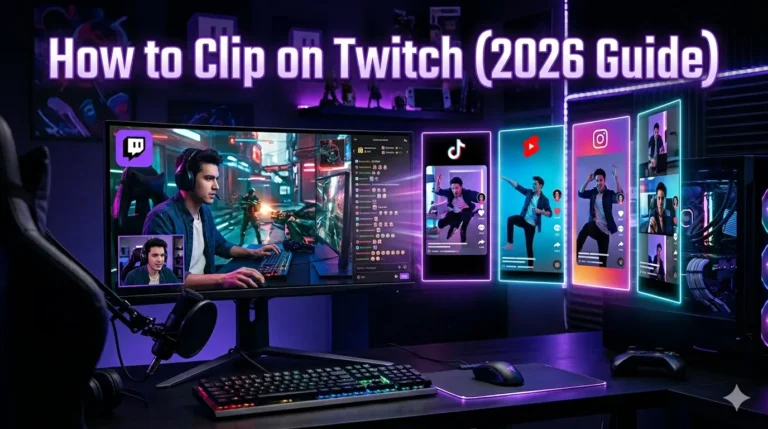
What works on Instagram often falls flat on LinkedIn. What performs on TikTok may feel out of place on YouTube Shorts. Social platforms look similar on the surface, yet they behave very differently.
White label editors who focus on social understand this instinctively. They cut with intent. Pacing changes. Visual emphasis shifts. Captions adapt. The message stays the same, but the delivery flexes.
That kind of awareness saves agencies from constant re-edits. Instead of fixing content after publishing, things land closer to right the first time.
Brand Voice Still Comes First
A common worry with social editing is tone drift. When content moves fast, brand consistency often slips. Colors change. Styles blur. Captions lose personality.
White label solves this by working from clear guidelines. Once those guardrails are in place, edits stay steady—even across different clients and industries.
Over time, the editor starts to feel the brand. Not just how it looks, but how it speaks. That’s when social content stops feeling random and starts feeling intentional. And yes, that matters more than trends.
Volume Without the Burnout
Social media runs on repetition. Posting once isn’t enough. You show up daily. Sometimes more. That volume is where teams feel pressure the most.
With white label video editing, agencies don’t stretch their internal team thin just to keep feeds active. Editing happens in parallel. While one video goes live, the next batch is already in motion.
That overlap changes everything. Fewer late nights. Fewer rushed approvals. More room to think ahead instead of scrambling behind.
Faster Turnarounds, Cleaner Feedback
Social edits usually need quick decisions. Waiting days for revisions kills momentum. White label setups are built for speed—but not the sloppy kind. Clear briefs. Simple feedback. Tight loops.
Instead of long comment threads, changes get handled fast. Not because corners are cut, but because expectations are already understood. That rhythm keeps campaigns moving without constant check-ins.
Social Content That Feels Effortless
Good social videos don’t feel overworked. They feel natural. Balanced. Easy to watch. That ease comes from systems working quietly in the background. When editing is handled smoothly, agencies can focus on storytelling, strategy, and engagement—where their real value lives.
In the end, white label social media video editing isn’t about handing work off. It’s about keeping everything connected. Across platforms, clients and time.
And when that connection holds, society stops feeling chaotic—and starts feeling manageable again.
White Label Clipping Service for Agencies
Long videos hold a lot of value. The problem is, most of that value stays buried. A podcast runs for an hour. A webinar stretches even longer. Somewhere inside are moments that deserve attention—but they rarely get it on their own.
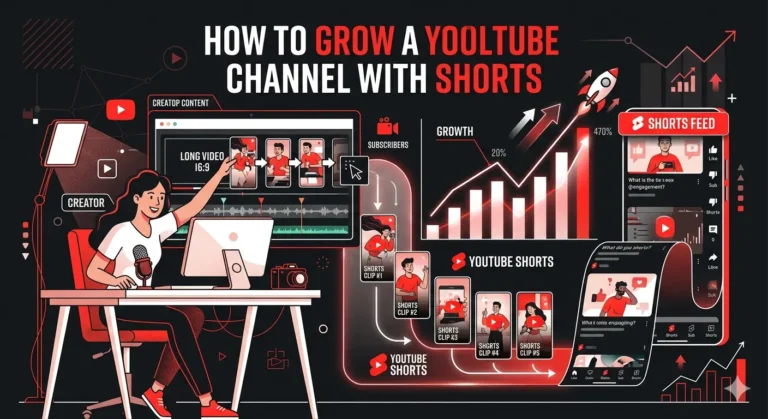
That’s where clipping comes in. A white label clipping service for agencies takes long-form content and gives it a second life. Quietly. Systematically. Without adding more work to your plate.
One Video, Many Opportunities
Clipping isn’t about cutting randomly. It’s about knowing what to keep. A strong clip tells a complete story in seconds. It hooks early. It lands at a point. Then it gets out of the way. Done right, one long video can turn into dozens of short, usable assets across platforms.
White label teams specialize in spotting those moments. They listen carefully. They watch for natural pauses, sharp insights, and emotional beats. Then they shape each clip so it stands on its own.
The result? More content, without more recording.
Strategy Before Scissors
It’s easy to think clipping is just editing faster. In reality, it’s more thoughtful than that. Good clipping starts with intent. Who is this for? Where will it be posted? What should the viewer feel in the first three seconds?
White label editors work with these questions upfront. That’s why clips don’t feel rushed or chopped. They feel deliberate.
When clipping works well, it blends perfectly into your broader white label video editing system. Same tone, style and brand presence—just in smaller pieces.
Saving Time Without Losing Quality
Agencies often try to clip in-house. At first, it makes sense. But volume builds quickly. Ten clips turn into fifty. Feedback stacks up. And suddenly, a “simple task” eats half the week.
White label clipping absorbs that pressure. With a dedicated setup, clips move through a clear process. Selection. Editing. Captioning. Formatting. Delivery. No guesswork. No last-minute scrambling.
Agencies that add clipping to their offering need a way to deliver results at scale, and a managed clipping campaign gives you the infrastructure to do that without building an internal editing team. That structure is what keeps quality intact, even at scale.
That structure is what keeps quality intact, even at scale.
Designed for Platforms, Not Storage
Clips aren’t meant to sit in folders. They’re meant to move. A proper white label clipping service for agencies delivers content that’s ready to publish. Correct ratios. Clean captions. Platform-friendly pacing. No extra fixes needed.
This means agencies can focus on scheduling, strategy, and performance—rather than reopening timelines to make small adjustments. And over time, those saved minutes add up to something bigger. Clarity. Control. Breathing room.Building for the Long Term
Turning Consistency Into Momentum
Clipping creates rhythm. Regular posts. Familiar formats. Repeated exposure. When agencies clip consistently, audiences start to recognize patterns. The content feels dependable. And dependability builds trust.
That’s the quiet power of white label clipping. It doesn’t shout, doesn’t change your message. It simply makes sure your best moments don’t go unnoticed.
One long video. Many touchpoints. All working together. And for agencies managing multiple clients, that kind of leverage isn’t just helpful—it’s essential.
Outsourcing Video Editing for Agencies
At some point, every growing agency hits the same wall. The work keeps coming, but the hours don’t stretch. Editing piles up. Turnarounds are slow. And what once felt manageable starts to feel heavy.
That’s usually when the word outsourcing enters the conversation. For many, it sounds risky. Distant teams. Mixed quality. Less control. But when done right, outsourcing video editing for agencies doesn’t weaken the process—it steadies it.
When Outsourcing Starts Making Sense
Outsourcing isn’t a last resort. It’s a signal. It shows that demand has outgrown the current setup. More clients, content and platforms to serve. And while hiring in-house feels like the obvious next step, it also brings fixed costs, long onboarding, and limited flexibility.
Outsourcing offers another path. Instead of expanding headcount, agencies expand capacity. Editing moves forward without slowing strategy down. Work keeps flowing, even during busy cycles.
That’s where structure matters most.
The Difference Between Outsourcing and White Label
Not all outsourcing is equal. Random freelancers and quick fixes often create more work than they solve. Files get misaligned. Styles drift. Feedback repeats.
White label changes that dynamic. With white label video editing, outsourcing becomes predictable. Editors follow your playbook. They work under your brand. And they deliver as if they’re part of your internal team.
The client never sees the handoff. They only see consistency.
Cost Control Without Compromise
Agencies don’t outsource just to save money. They do it to protect margins while growing output. White label setups scale up or down as needed. No long-term payroll commitments. No idle time during slower months. Just the capacity you need, when you need it.
That flexibility makes planning easier. Pricing stays stable. And profit doesn’t get eaten by overhead. More importantly, quality doesn’t take a hit—because systems are already in place.
Fewer Bottlenecks, Better Focus
When editing leaves the internal workload, teams shift naturally. Account managers spend more time with clients. Strategists think ahead instead of reacting. Creative leads guide direction instead of chasing deadlines.
Outsourcing creates space. Not empty space—but useful space. That breathing room often leads to better ideas, clearer communication, and smoother delivery across the board.
Avoiding the Common Pitfalls
Outsourcing only works when expectations are clear. Vague briefs lead to vague results. Rushed onboarding creates long-term friction.
The strongest agencies treat outsourcing like any other system. They document standards, define feedback loops and build trust gradually.
Once that foundation is set, the relationship runs quietly in the background—doing exactly what it’s meant to do.
Growth Without the Growing Pains
Outsourcing video editing for agencies isn’t about giving work away. It’s about choosing where your energy goes.
Editing still happens. Deadlines still hold. Clients still feel supported. But your team isn’t stretched thin trying to do everything at once.
That’s the real advantage. When paired with a white label approach, outsourcing becomes less of a risk and more of a release. A way to grow steadily, confidently, and without showing the strain that usually comes with scale.
Pricing, Margins, and Agency Growth
Pricing looks simple on paper. Charge more than you spend. Keep the difference. Grow. In reality, it’s never that clean. Costs shift. Work expands. And margins quietly shrink when no one’s watching.
This is where many agencies feel the pressure first. Editing takes time. Time costs money. And when everything is handled in-house, growth often means higher expenses before higher returns. That’s when structure starts to matter.
Why Margins Slip as Agencies Scale
As agencies grow, so does complexity. More clients, revisions and “quick changes” that aren’t actually quick. Each one pulls a little more from your margin.
Hiring helps—but only up to a point. Salaries are fixed. Workloads aren’t. During busy months, teams feel stretched. During slow ones, costs stay the same.
That imbalance eats profit quietly. White label setups smooth that curve. They let agencies match costs to output instead of guessing months ahead.
Predictable Costs Create Better Pricing
When editing runs on a clear system, pricing becomes easier. You know what each deliverable costs. You know how long it takes. And you know where flexibility lives.
With white label video editing, agencies often move away from hourly thinking. They start packaging services. Monthly retainers. Content bundles. Clear scopes.
That clarity helps clients too. They understand what they’re paying for. Fewer surprises. Fewer awkward conversations. And when pricing feels stable, trust grows.
Protecting Margins Without Cutting Quality
There’s a myth that saving money means lowering standards. In practice, it’s usually the opposite.
White label partners specialize. They repeat the same workflows daily. That repetition improves speed and quality at the same time.
For agencies, this means cleaner output without rising internal costs. Margins stay intact. Sometimes, they even improve. The key is consistency. When edits come back right the first time, you spend less time fixing and more time delivering.
Scaling Clients Without Scaling Stress
Growth shouldn’t feel chaotic. Yet for many agencies, it does. New clients often mean new pressure. More files, deadlines and moving parts. Without support, teams react instead of planning. White label systems change that rhythm.
When editing capacity scales with demand, adding clients feels lighter. You don’t hesitate, don’t overthink. You simply adjust volume. That confidence shows. Clients feel it. Teams feel it.
Building for the Long Term
Short-term wins feel good. Long-term stability feels better. Agencies that plan pricing around systems and not people, They build something sustainable. The agencies growing fastest right now are ones that offer clipping as a marketing channel, adding distribution to their editing work and delivering measurable reach alongside polished content. They grow without burning out teams. They protect margins without squeezing creativity.
White label video editing plays a quiet role here. It doesn’t headline growth. It supports it. And over time, that supports compounds. Better margins lead to better decisions. Better decisions lead to healthier growth. And healthier growth is what keeps agencies standing when others struggle.
Not flashy. Not loud. Just solid.
Conclusion
White label video editing isn’t just a service—it’s a strategy. It gives agencies the freedom to scale, experiment, and deliver consistently without burning out. By leaning on experts behind the scenes, you get more than edited clips; you gain time, flexibility, and reliability. Every short clip, every social post, every polished edit adds up. And when all these pieces fit together, your agency doesn’t just keep up—it thrives.
It’s about balance. Growth comes from blending creativity with smart outsourcing, while margins improve when processes are streamlined. The magic happens when your team focuses on strategy, client relationships, and storytelling, while trusted partners handle the edits. Whether it’s clipping, social media content, or full-scale campaigns, white label video editing strengthens the backbone of your offerings.
At the end of the day, success isn’t in doing everything yourself—it’s in choosing the right partners and letting the system work. That’s the real win for any agency aiming to grow confidently and creatively.
Every Day You Wait, A Competitor Gets the View
We recruit, train, and manage a clipping army that distributes your content across 50–500 accounts on TikTok, Reels, and Shorts simultaneously. One upload becomes hundreds of posts. Every single day.
Trusted by 1,000+ creators · 10 Billion+ views generated