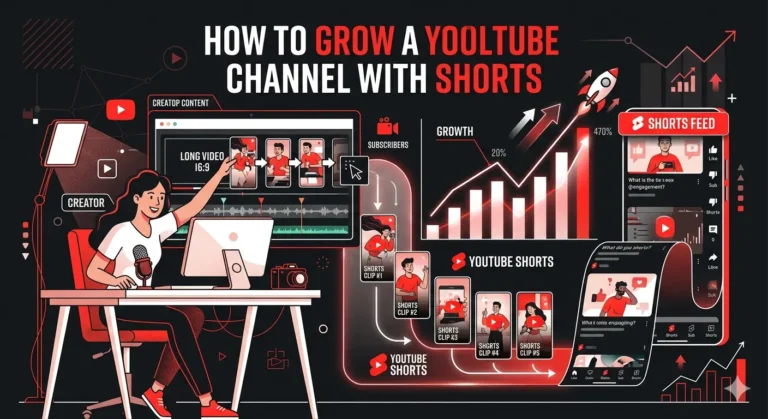

AI content batching helps you create, organize, and schedule content smarter.
It doesn’t matter how determined you are. Creating content day after day can still feel like trying to fill a bucket with a tiny spoon. The more you scoop, the slower it seems to go. Deadlines pile up. Ideas run dry. And suddenly, you’re racing the clock more than the strategy.
That’s where AI content batching steps in. Not as a shortcut, but as a shift in how you work. Instead of throwing ideas together at the last minute, you group them, plan them, and build them in smart bundles. You create once, but it stretches further. And with AI helping behind the scenes, organizing, drafting, refining, you don’t just produce more content. You produce it calmly, without that constant scramble.
And finally, you get space to think again.
What AI Content Batching Really Means

It’s easy to misunderstand the idea. Some people think AI content batching means typing a topic into a tool and collecting whatever it spits out. Fast and messy. Like trying to bake an entire cake in a microwave just because you’re in a hurry. Yes, you get something—but nobody really wants it.
Real AI batching works differently. It’s not about rushing; it’s about grouping. You treat content the way a chef preps ingredients before cooking. You chop, sort, and arrange everything first. Then, when it’s time to cook, the process feels smooth, calm, and almost effortless.
It’s Not More Work. It’s Better Structure
Most creators work piece by piece. One post today. One script tomorrow. A caption somewhere in between. It feels like productivity, but it’s actually chaos on a slow drip. You’re constantly starting from zero, searching for inspiration, and wasting energy on the setup instead of the impact.
But with AI content batching, you build in clusters. You brainstorm multiple ideas in one sitting, create outlines in groups and draft similar content side by side. And suddenly, everything connects. Each piece becomes part of a bigger picture, not a lonely task fighting for attention.
AI Doesn’t Replace Creativity. It Organizes It
Think of AI as your silent assistant. It doesn’t steal your voice or your originality. Instead, it organizes the mess we call “ideas.” It uncovers hidden themes, reveals overlooked angles, and transforms a single idea into blogs, reels, emails, and ads while preserving tone, clarity, and focus. AI helps identify clips faster, but the distribution still needs a real system behind it, and our clipping services handle the human side: quality review, payout management, and platform distribution.
And the best part? You still steer the direction, decide the stories and shape the style. AI just keeps the process from breaking apart under deadlines.
Content Becomes a System, Not a Race
When your ideas are grouped, and your drafts are batch-created, something interesting happens. You stop scrambling. You start shaping. Instead of spending time fixing last-minute posts, you spend time improving them. The workload doesn’t shrink; it becomes predictable. And predictable work is easier, faster, and far less stressful.
Suddenly, publishing content no longer feels like juggling flaming torches. It feels like stacking building blocks. Calm. Repeatable. Reliable.
You Create Once, but It Feeds You for Weeks
One topic turns into:
- A full blog
- Ten social captions
- A video script
- A newsletter section
- A carousel idea
- Maybe even an ad concept
All from the same batch of research and planning. You don’t reinvent the wheel each time. You simply rotate it.
This method is especially valuable for teams handling large volumes of content—like designers, editors, or agencies. A company such as Clipping Agency, for example, might produce dozens of creative pieces every week. With batching, they don’t just work faster. They work smarter. Consistent ideas, consistent voice, and far less burnout.
That’s the real meaning behind AI content batching. It isn’t just speed, it’s structure, strategy, and simplicity working together with creativity that has room to breathe. And when you build content this way, you finally get something that doesn’t just fill the calendar… it fuels your brand.
AI-driven Content Workflow

There’s something almost calming about watching a plan fall into place. Not because you work harder, but because every step knows where it belongs. That’s what happens when an AI-driven content workflow takes over the behind-the-scenes effort. Suddenly, content stops behaving like scattered pieces. It moves like a sequence. Steady. Predictable. Purposeful.
With AI content batching, it becomes less about chasing ideas and more about letting them grow into something bigger.
It Starts With Listening, Not Writing
Most people jump straight into writing. They skip the part where they should be understanding. AI doesn’t do that. It starts with data, listens closely, reads trends, checks search intent, studies competitors, observes patterns, and spots audience reactions before you even have to ask.
It’s like walking into a room and knowing which conversations matter before you try to speak. That insight becomes the foundation. And because the foundation is strong, every content piece rests on strategy, not impulse.
Then It Groups Ideas by Purpose, Not Format
Traditional content planning feels like picking random fruits from different trees. One blog. One video. One ad. No link between them. Just work—scattered and tiring.
An AI-driven content workflow does the opposite. It groups ideas by message, not medium. The topic comes first; the form follows later. A single idea can be sliced into posts, videos, and scripts, but only after it stands strong on its own.
So you’re not creating random pieces. You’re building a family of content, all tied to the same goal.
Outlines Become the Blueprint, Not Just Notes
Outlines are where most creators stumble. They scribble quick notes and jump into writing, hoping the structure makes sense later. AI doesn’t rush. It creates outlines like a builder drafts blueprints. It maps angles, lists key points, and shows how one idea connects to another.
The magic here isn’t speed. It’s clarity. Once you know the story, writing becomes less effort and more expression.
Drafts Flow Faster Because the Thinking Is Done
Here’s the secret most people miss: writing isn’t hard because of words; it’s hard because of thinking. When the thinking is already organized—thanks to AI—the drafts flow with surprising ease. You fill in the voice, the tone, and the heartbeat. AI handles structure, accuracy, and repetition. You add personality.
Together, writing becomes less pressure and more craft.
Review Is No Longer Fixing; It’s Enhancing
With the heavy lifting done earlier, the final step becomes a joy. You’re not fixing mistakes. You’re elevating them. Adding humor. Sharpening tone. Humanizing the message.
Instead of fighting deadlines, you refine meaning.
A well-run AI-driven content workflow doesn’t rush. It prepares, plans and lets your ideas mature before asking you to write them. And once everything is aligned—strategy, structure, drafts, and review—you’re left with content that doesn’t just look organized. It feels intentional.
That is the quiet power behind AI content batching. It replaces chaos with clarity and turns creation into a rhythm you can actually breathe within.
Batch Content Creation with AI

Creating one piece of content at a time feels like plugging leaks on a sinking boat. You finish one task only to discover another gap waiting for attention. No matter how fast you work, you’re still reacting, not building. That’s where batch content creation with AI quietly changes the rhythm. It doesn’t ask you to rush. It asks you to create in groups, so the effort compounds instead of repeating.
With AI content batching, you stop chasing single ideas and start shaping entire waves of content at once.
1) Research Once, Use It Many Times
Most creators research for every single post. They dig, note, and repeat until the inspiration turns into exhaustion. AI does something smarter. It takes one research session and breaks it into multiple insights—keywords, topics, trends, audience reactions, competitor gaps, even tone opportunities.
Suddenly, the same research powers:
- A blog
- A video script
- A thread
- A newsletter
- And a short-form ad
You don’t fetch information again. You simply repurpose the same pool.
2) Outlines Become a Batch of Blueprints
Once research is done, AI doesn’t stop. It moves into outlining mode, not for one piece, but for many. In a single sitting, you can generate outlines for five or ten related content pieces. All connected, aligned and echoing the same objective.
You’re no longer building isolated pillars. You’re constructing an entire house with matching rooms.
3) Drafts Flow With a Shared Voice
Here’s where creativity gets lighter. Because the strategy and structure are already set, writing multiple drafts in batches feels smoother. You’re not reinventing the tone every time. You’re not rediscovering the message. The voice stays consistent. The angle remains clear.
AI helps maintain that consistency—captions, blog paragraphs, hooks, headlines, all echoing the same brand personality. You simply fill them with your flavor, experience, humor, or story.
4) Variations Grow From One Core Idea
Batch content creation with AI isn’t about copying the same idea everywhere. It’s about transforming one idea into many styles. For example, a single insight could become:
- A bold opinion for social media
- A detailed breakdown for a blog
- A short tip for an email
- A data-backed explanation for long-form content
- A simple comparison for a video hook
You don’t repeat yourself. You multiply yourself.
5) Editing Becomes a Single Focus, Not a Daily Burden
Editing one piece at a time drains your attention. Editing a full batch feels easier because your brain stays in one theme. You refine the tone once, adjust facts once and keep the voice steady without shifting gears.
Instead of constantly jumping context, you polish content like a sculptor fine-tuning multiple statues from the same block.
Batch content creation with AI isn’t about speed alone. It’s about momentum. It takes your ideas, organizes them, stretches them, and lets them exist in many forms without extra effort. When you create this way, your workload doesn’t just shrink—it starts working for you long after you’ve stopped typing.
Automated Content Scheduling

There’s a quiet stress hidden in every creator’s life. Not the writing. Not the brainstorming. But the constant reminder to post at the right time. You finish creating, and then you wait, plan, and then you forget. You schedule, and then the algorithm changes. Content doesn’t just need creativity; it needs timing. And that’s where automated content scheduling takes the weight off your shoulders.
You stop babysitting the clock, and start trusting the system.
Your Schedule Shouldn’t Decide Your Strategy
When people create content manually, they often post whenever they remember, not when the audience is ready. Timing becomes an afterthought. And because of that, great content falls flat. Not because the idea isn’t strong, but because it showed up when nobody was looking.
With AI content batching, timing becomes part of the creative plan, not a random guess. You build content in clusters, and AI decides when each piece should appear. Your audience gets consistency. You get breathing room.
AI Studies Engagement So You Don’t Have To
Posting isn’t about the clock. It’s about behavior. People scroll differently on weekends. They react differently during evenings. And they ignore most posts when they’re busy. AI studies those patterns automatically. It notices:
- When your audience actually listens
- Which day they click more
- What hours get shares, not just views
- And which type of content performs best at specific times
You don’t play guessing games. You let the system act on real data, not random instinct.
Posting Becomes Predictable, Not Personal
Here’s the thing: content shouldn’t depend on your mood, your time zone, your schedule, or your workload. That’s too fragile. You need consistency even on your busiest days. Especially on them.
Automated content scheduling turns consistency into a machine-driven habit. You create once. The system distributes gradually. Your work shows up every week, even when you don’t touch your laptop.
Your presence grows… even while you rest.
Content Builds Authority When It Shows Up
People trust what they see repeatedly. They follow what they see consistently. Brands don’t win attention by showing up randomly; they win by showing up reliably. AI helps your brand behave like a publication, not a hobby.
Think of it like a TV channel. You don’t keep watching a show because it was great once, you watch it because you know it will be back.
You Focus on the Craft, Not the Clock
Once posting becomes automatic, your energy shifts. You stop worrying about timing and start refining the message. You stop rushing ideas and start improving them. The work becomes about meaning, not maintenance.
And the best part? You get time back. Time to think, plan, experiment, and even mistake your way into growth—without losing consistency.
That’s the quiet beauty of automated content scheduling. It supports your creativity without demanding your presence. It honors your work by delivering it at the perfect moment. And when paired with AI content batching, the pressure of “what to post” and “when to post” finally disappears.
You create with intention. The system handles the rest.
Mistakes to Avoid — AI Batching Isn’t Autopilot
It’s tempting to believe technology will handle everything. You pick a tool, type a topic, and expect content to magically appear, polished and perfect. But real strategy doesn’t run on autopilot. Even the smartest system needs direction. And that’s where many creators slip. They treat AI content batching like cruise control, when it’s really more like assisted driving. You still guide the steering wheel.
Let’s talk about the mistakes worth avoiding.
1) Letting AI Think for You
AI can research, organize, suggest formats, and offer structure. But it will never know your story the way you do. It can’t replace your experiences or the emotion behind your message. When people let AI choose tone, direction, and purpose without supervision, content ends up sounding empty. Clean, yes. But lifeless.
AI should support creativity, not impersonate it. Your vision is the starting point. AI is the amplifier.
2) Creating Too Much Without a Core Message
Batching makes it easy to produce more. But more is not always useful. Some creators generate multiple posts, emails, and scripts, but forget the one thing that holds them together—clarity.
If you create without a core message, batching becomes noise instead of strategy. Before you multiply content, decide what it will lead toward. Define the angle, the intention, the direction. Otherwise, it’s just quantity pretending to be effort.
3) Treating Drafts as Final Work
AI drafts look neat. They look organized. And because they look finished, many people stop too soon. But AI is not the writer. It’s the framework builder. It gives the bones, not the voice. If you publish drafts without human editing, your brand begins to sound like everyone else who used the same tools.
Editing should sharpen personality, not just fix grammar. It’s the polish that turns structure into storytelling.
4) Forgetting to Update Batches
Content ages. Trends shift. Audience interests move fast. Keywords change direction. If you create and forget, you risk scheduling outdated or irrelevant messages. AI helps build stable systems, but those systems still need reviews. Think of it as checking your sails before the wind changes.
A good batch plan should always adapt. You don’t re-create everything. You simply refresh what matters.
5) Using AI Without Human Judgment
AI can observe patterns, but it can’t feel the world like a human audience does. It doesn’t sense cultural shifts or emotional nuance the same way. If you rely only on logic, your content loses heart. If you rely only on emotion, your content loses structure.
Balance both. Use AI to inform decisions. Use intuition to refine the message.
AI batching is powerful, but it works best when guided with intent. It saves time, reduces stress, and organizes creativity—but it still needs direction, personality, and review. Consider it a partner, not a substitute. With your voice and AI’s precision working together, your content becomes something much stronger than automation.
Not effortless. But controlled. And far more meaningful.
Best Use Cases — Who Benefits the Most

Not everyone needs the same workflow. Some people like taking things slow, carefully shaping each post. Others? They’re juggling a million things, trying not to drop a single ball. That’s where AI content batching actually shines. It’s not magic. It’s more like getting a little rhythm back in your life—one that makes work feel… easier.
Social Media Marketers With Heavy Loads
Look, if your calendar is stuffed with posts, stories, reels, threads, you know what I mean, it’s exhausting. One day you’re keeping up, the next day it feels like you’re constantly behind. AI batching flips that. TikTok is where batched content sees the fastest results, and our TikTok clipping agency distributes across hundreds of accounts simultaneously so your batch doesn’t sit in a queue. You schedule them, and boom, your audience sees something good, consistently, without you constantly babysitting every single post.
Founders and Solopreneurs Juggling Everything
You’re the CEO, the marketer, sometimes even the copywriter, right? Content often slides down the list, because there’s always a fire to put out. With AI batching, one creative session can cover weeks of work: blogs, posts, scripts, emails. You don’t start from scratch every time. And funny enough, it actually frees your brain a little. You can breathe and still keep your presence solid.
Content Teams Scaling Campaigns
Managing multiple campaigns is like juggling flaming torches. One slip, and you feel it immediately. With AI batching, everyone stays on the same page. Research, outlines, drafts, schedules — they all line up. Batching without distribution infrastructure is just storage, and a short-form video agency turns that batch into a rolling publish schedule across platforms. The team produces more, but somehow it doesn’t burn anyone out. And the weird part? The content actually feels connected instead of patched together.
E-commerce and Digital Brands Needing Consistency
For brands selling online, consistency isn’t optional. Products launch, promos change, seasons shift. Batch content makes it easier to keep everything in line. AI can help generate product copy, captions, newsletters, ad variations—all from one session. You keep the voice steady. Customers barely notice the system behind it—they just see reliability.
Solopreneurs Treating Content Like Meal Prep
Here’s a mental picture: you prep your meals for the week. One day in the kitchen, and you eat all week. AI batching works the same way. One session produces multiple blogs, captions, emails, scripts—you get the idea. Less scrambling, more refining, and a little time to breathe. And honestly? That little bit of control feels amazing.
Who Really Wins
So, who benefits the most? Anyone handling volume, juggling platforms, or trying to stay consistent. AI content batching isn’t replacing humans—it’s multiplying effort, smoothing friction, and keeping work flowing. The early adopters don’t just save time—they get focus, clarity, and a rhythm that actually works.
In the end, it’s not about being faster. It’s about being smarter. And for those willing to embrace it? Well… life suddenly feels a little lighter, and content starts working for you instead of against you.
Conclusion
Creating content can feel like running in circles, right? Deadlines pile up, ideas scatter, and somehow, you’re always catching up. That’s where AI content batching quietly changes things. You brainstorm once, build multiple pieces in one go, and suddenly, weeks of content exist before you even notice. It’s kind of like meal prepping—but for ideas.
And here’s the thing: it’s not just about speed. It’s about space. Space to think, tweak, experiment, and actually enjoy creating. AI helps with structure, timing, and the messy bits we usually dread. You bring the voice, the humor, the little sparks that make it yours.
Funny enough, when you batch smartly, content stops being a chore. Deadlines feel lighter, and creativity flows easier. You focus on stories instead of stress, on connecting rather than scrambling.
In the end, AI content batching isn’t a shortcut—it’s a way to make your work feel smoother, smarter, and, well… actually fun.
Every Day You Wait, A Competitor Gets the View
We recruit, train, and manage a clipping army that distributes your content across 50–500 accounts on TikTok, Reels, and Shorts simultaneously. One upload becomes hundreds of posts. Every single day.
Trusted by 1,000+ creators · 10 Billion+ views generated